Debt Financing for Small Businesses: Loans, Rates, Terms and Hidden Costs
As Debt Financing for Small Businesses: Loans, Rates, Terms and Hidden Costs takes center stage, this opening passage beckons readers with casual formal language style into a world crafted with good knowledge, ensuring a reading experience that is both absorbing and distinctly original.
Exploring the nuances of debt financing for small businesses opens up a realm of possibilities and challenges that businesses face when seeking financial support. From loans to hidden costs, this guide delves deep into the intricacies of managing finances effectively.
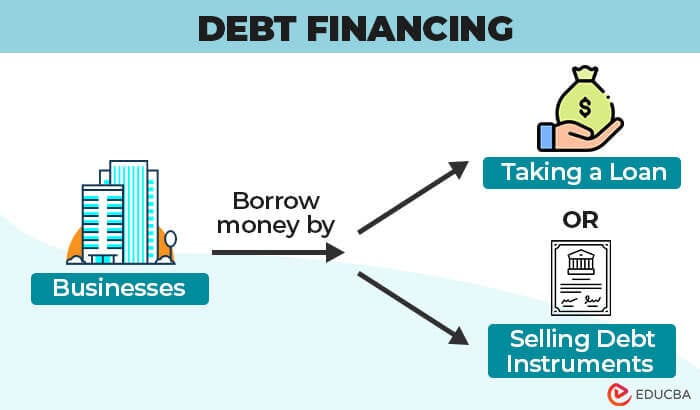
Debt financing is a common method used by small businesses to raise capital by borrowing funds from lenders that need to be repaid over time, usually with interest. This can help businesses access the necessary funds to grow, expand, or cover operational expenses.
Loans play a crucial role in the growth and sustainability of small businesses. They provide the necessary capital to invest in equipment, inventory, marketing, or other essential aspects of the business. Without access to loans, many small businesses would struggle to survive or expand.
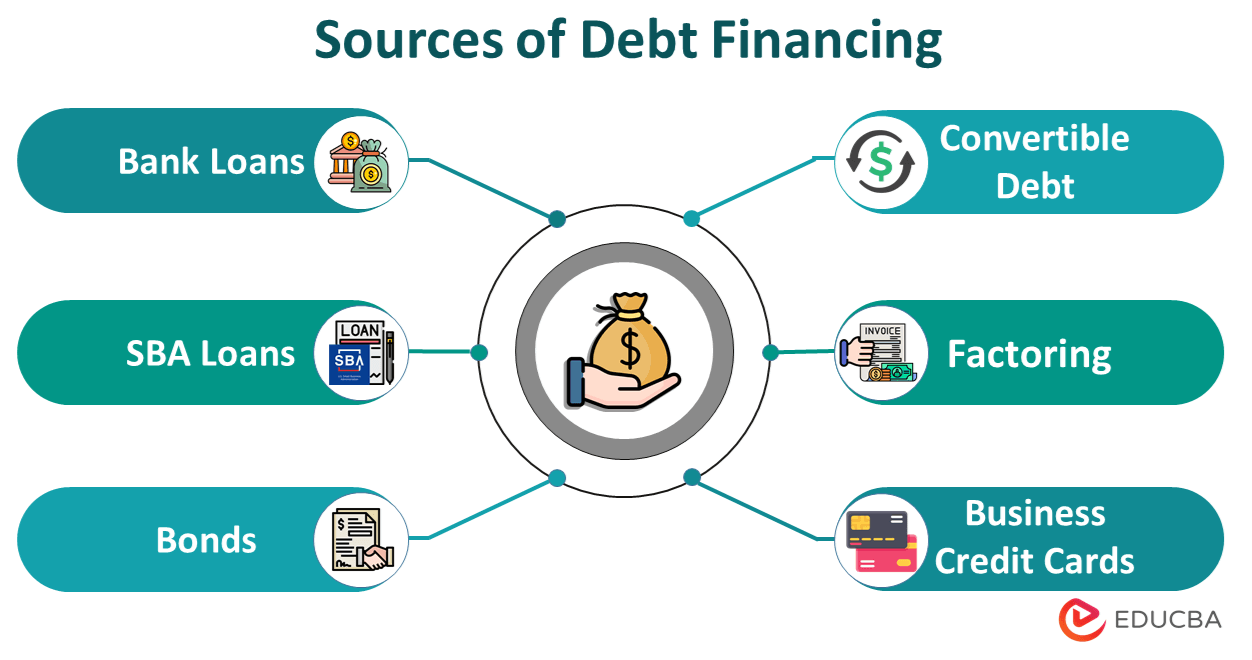
When it comes to financing options for small businesses, there are various types of loans available to meet different needs. Each type of loan has its own eligibility criteria and application process, so it’s important to understand the differences to make an informed decision.
Term loans are a common type of loan for small businesses, providing a lump sum of money that is repaid over a set period of time with fixed interest rates. These loans are suitable for long-term investments or large purchases, such as expanding a business or purchasing equipment.
SBA loans are backed by the Small Business Administration, making them a popular choice for small businesses that may not qualify for traditional bank loans. These loans offer favorable terms and rates, making them an attractive option for entrepreneurs. Eligibility criteria include meeting SBA size standards, having a good credit score, and demonstrating the ability to repay the loan.
Equipment financing allows small businesses to purchase or lease equipment needed to operate or grow their business. The equipment itself serves as collateral for the loan, making it easier to qualify for financing. This type of loan is ideal for businesses looking to upgrade or replace equipment without depleting their working capital.
When it comes to debt financing for small businesses, understanding interest rates and terms is crucial for making informed decisions. Let’s delve into how interest rates are determined, typical terms associated with small business loans, and the impact of fixed versus variable interest rates.
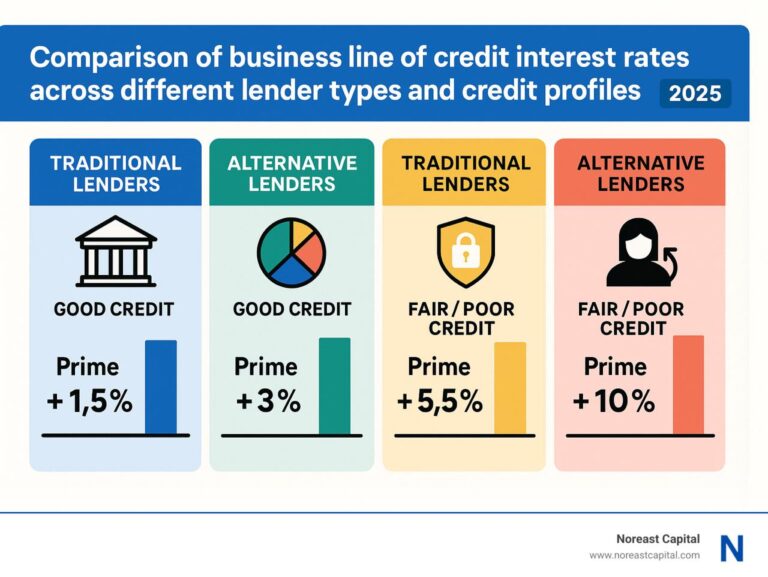
Interest rates for small business loans are typically determined based on several factors such as the business’s creditworthiness, loan amount, repayment term, and current market conditions. Lenders may also consider the type of loan, collateral provided, and the overall risk associated with lending to the business.
Debt financing terms for small businesses typically include the repayment period, collateral requirements, and other conditions set by the lender. The terms can vary depending on the type of loan and the specific agreement between the business and the lender.
Debt financing for small businesses may come with hidden costs and fees that can impact the overall cost of borrowing. It is essential for small business owners to be aware of these additional expenses and take steps to manage them effectively.
These hidden costs can significantly increase the total amount a small business has to repay. For example, origination fees can add a substantial upfront cost, while prepayment penalties penalize borrowers for early repayment. Late payment fees can quickly accumulate, making it harder to stay on top of debt obligations.
What are some common types of loans available for small businesses?
Common types include term loans, SBA loans, and equipment financing, each tailored to specific business needs and financial situations.
How are interest rates determined for small business loans?
Interest rates for small business loans are typically based on factors like credit score, loan amount, and the lender’s assessment of risk associated with the business.
What are some strategies for small businesses to identify and manage hidden costs effectively in debt financing?
Small businesses can carefully review loan agreements, seek clarification on any ambiguous terms, and work closely with financial advisors to uncover and address hidden costs proactively.