Business Financing Without Giving Up Equity: Revenue Based Funding vs Traditional Loans
Beginning with Business Financing Without Giving Up Equity: Revenue Based Funding vs Traditional Loans, the narrative unfolds in a compelling and distinctive manner, drawing readers into a story that promises to be both engaging and uniquely memorable.
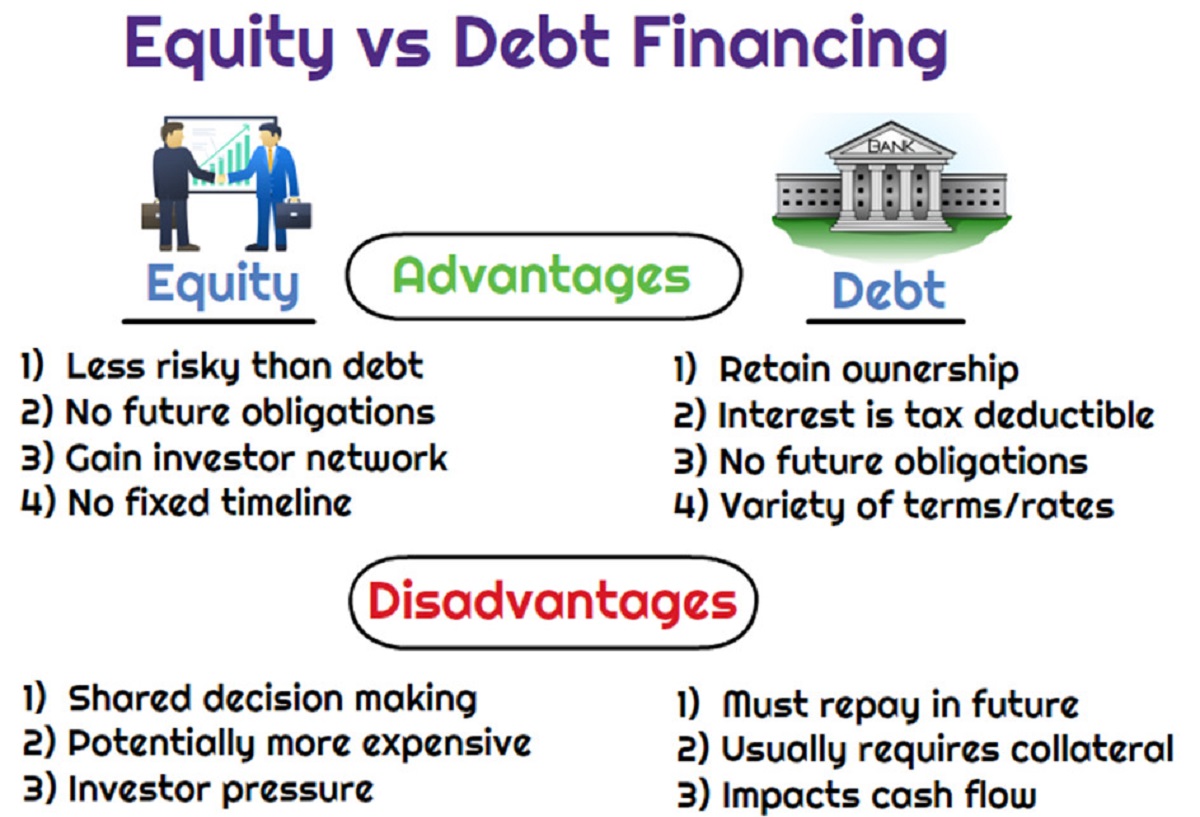
When exploring the realm of business financing, the choice between revenue-based funding and traditional loans stands out as a crucial decision. Understanding the differences and implications of each option is vital for businesses seeking financial support without sacrificing equity.
Revenue-based funding is a financing option where a business receives capital in exchange for a percentage of its future revenues. Unlike traditional loans that require fixed monthly payments, revenue-based funding allows businesses to repay the funding based on a percentage of their monthly revenue.
Flexible repayment based on revenue performance
No need to give up equity in the business
Higher cost of capital compared to traditional loans
Can limit future financing options due to revenue sharing
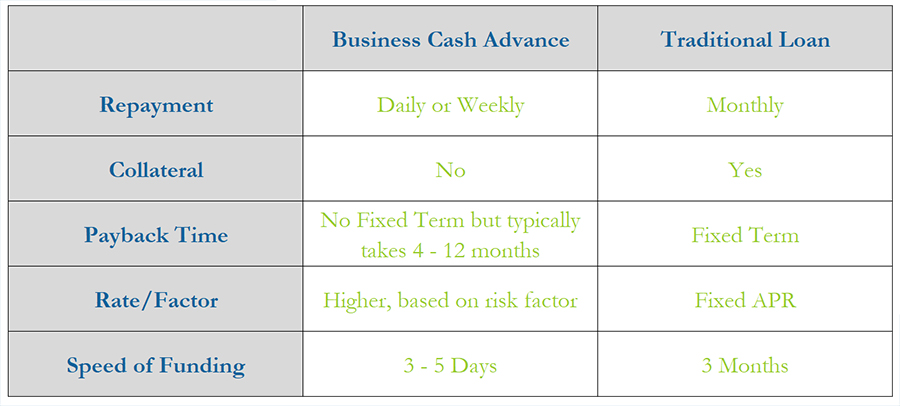
Traditional loans are a common form of financing where a business borrows a fixed amount of money from a financial institution, such as a bank, and agrees to repay it over a set period of time with interest. Unlike revenue-based funding, traditional loans require regular fixed payments regardless of the business’s revenue.When considering traditional loans, businesses should be aware of the various types available, the requirements for qualification, and the risks associated with this form of financing.
Applying for a traditional loan typically involves providing detailed financial information, such as business and personal tax returns, financial statements, and a business plan. The lender will also assess the business’s creditworthiness and may require collateral to secure the loan.

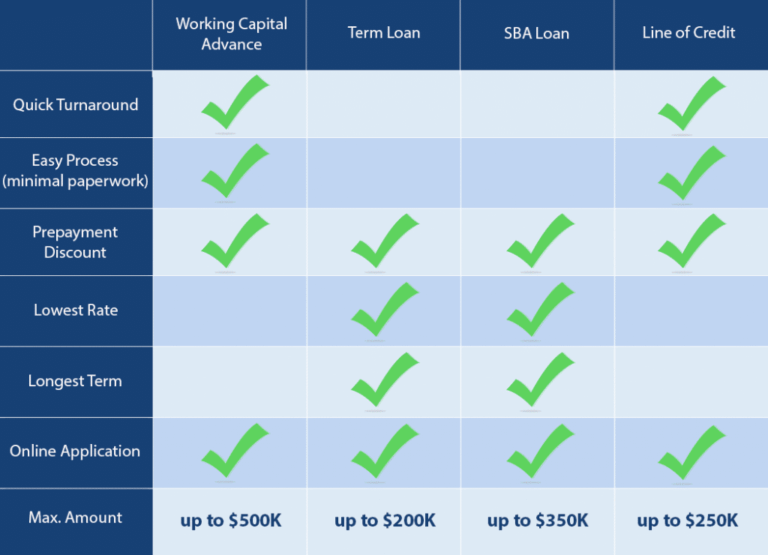
Revenue-based funding and traditional loans have distinct funding structures that impact businesses in various ways. Let’s explore the key differences between the two options.
When choosing between revenue-based funding and traditional loans, businesses need to carefully consider several key factors to make the right decision for their financial needs.
Financial planning and forecasting play a crucial role in the decision-making process when it comes to choosing between revenue-based funding and traditional loans. Businesses should:
Company A decided to opt for revenue-based funding to support its seasonal cash flow needs, allowing it to repay based on a percentage of its revenue. On the other hand, Company B chose a traditional loan to finance a large-scale expansion project with a fixed repayment schedule and interest rate.
What are the key differences between revenue-based funding and traditional loans?
Revenue-based funding relies on a percentage of future revenue for repayment, while traditional loans involve fixed payments over time.
Which industries benefit most from revenue-based funding?
Tech startups, subscription-based businesses, and seasonal industries often find revenue-based funding more suitable due to its flexible repayment structure.
How can businesses evaluate their financing needs and options effectively?
Businesses should conduct thorough financial planning, assess their current and future cash flow needs, and consider the long-term implications of each financing option.