Fee-Only vs Fiduciary Financial Advisor: Costs, Services and Key Differences
Exploring the distinctions between Fee-Only and Fiduciary Financial Advisors opens up a world of insight into the financial realm. Let’s delve into the nuances of their services, costs, and key differences to gain a deeper understanding of how they impact financial planning.
Fee-Only financial advisors are professionals who are compensated solely by the fees paid by their clients. They do not earn any commissions or compensation from third parties, such as financial products they recommend. This fee structure ensures that Fee-Only advisors are focused on providing advice that is in the best interest of their clients, rather than being influenced by potential commissions.
Fiduciary financial advisors are obligated to act in the best interest of their clients at all times. This fiduciary duty requires them to prioritize their clients’ interests above their own and disclose any potential conflicts of interest. Fiduciary advisors are legally bound to provide advice that is most advantageous to their clients, ensuring transparency and trust in the advisor-client relationship.
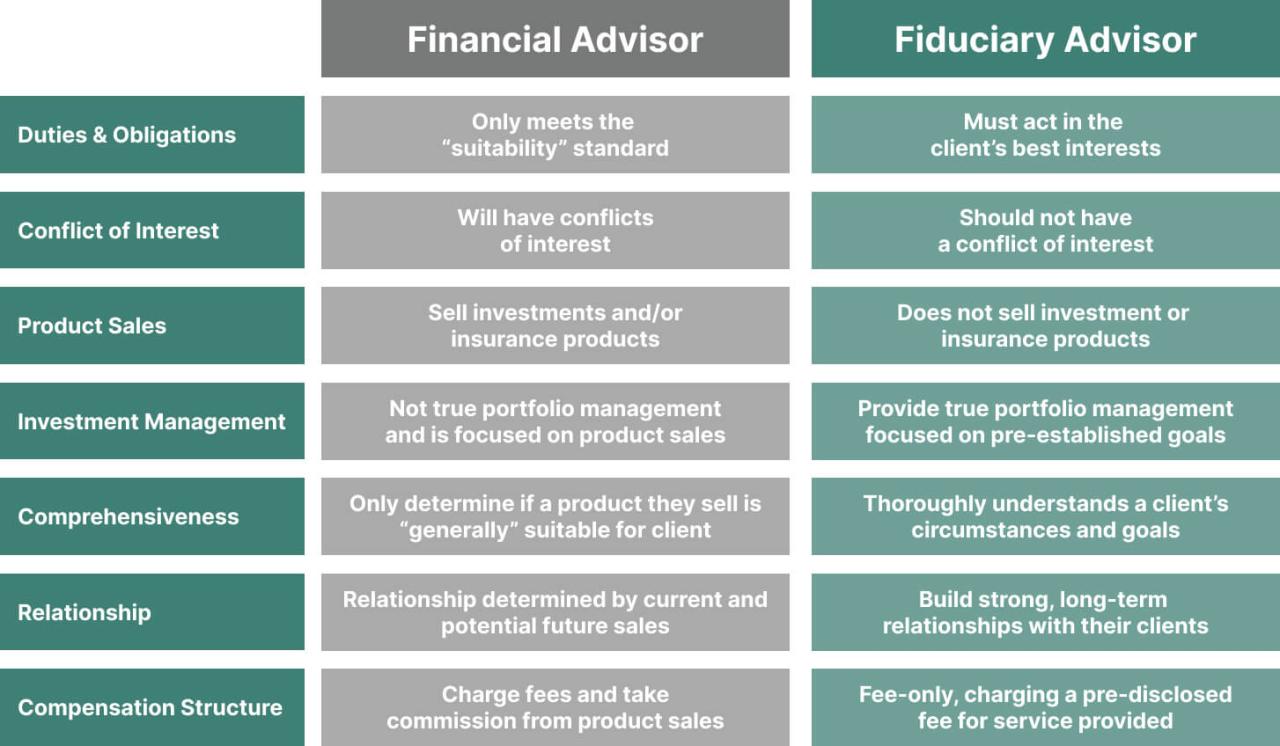
When considering financial advisors, it’s crucial to understand the costs involved, as they can significantly impact your overall financial planning. Let’s explore the fee structures of Fee-Only advisors versus fiduciary advisors, along with examples of common costs associated with both types of advisors.
Fee-Only Advisors:
Fiduciary Advisors:
Fee-Only Advisors:
Fiduciary Advisors:
These costs play a crucial role in determining the overall value clients receive from their financial advisors. Understanding the fee structures and common costs associated with Fee-Only and fiduciary advisors can help clients make informed decisions that align with their financial goals and preferences.
When it comes to managing your finances, choosing the right financial advisor is crucial. Fee-Only and fiduciary advisors are two common types of professionals that offer financial advice. Understanding the services they provide can help you make an informed decision about which type of advisor is best suited to your needs.Fee-Only financial advisors typically offer the following services:
Fiduciary financial advisors, on the other hand, commonly offer the following services:
Comparing the range of services between Fee-Only and fiduciary advisors, it is evident that both types of professionals offer similar core services such as investment management, retirement planning, and estate planning. However, Fee-Only advisors may place a stronger emphasis on fee transparency and avoiding conflicts of interest, while fiduciary advisors are legally required to act in their clients’ best interests at all times.
Ultimately, the choice between Fee-Only and fiduciary advisors will depend on your individual preferences and financial goals.
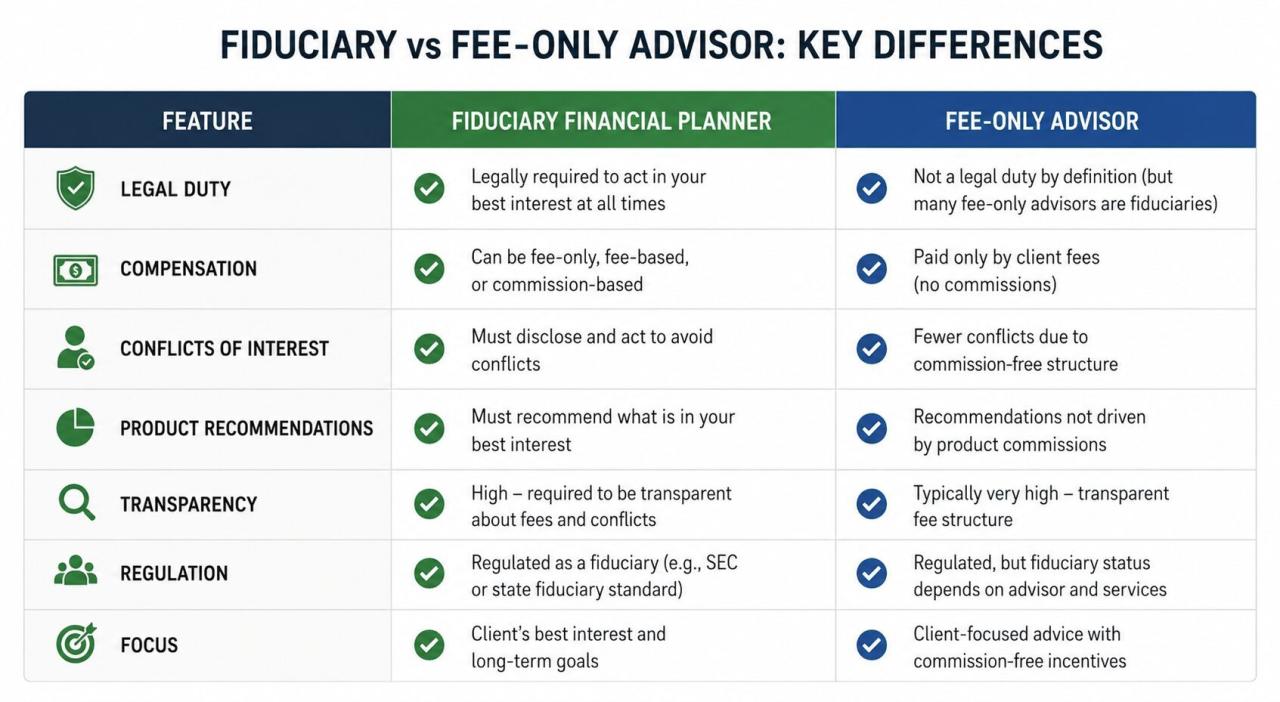
When it comes to financial planning, Fee-Only advisors and Fiduciary advisors have distinct approaches that can impact how they work with clients and provide recommendations. Understanding these differences is crucial for individuals seeking financial advice.
Fee-Only advisors are compensated solely by the fees they charge their clients for financial advice and services. They do not earn commissions or kickbacks from recommending specific products or investments. This fee structure ensures that Fee-Only advisors are focused on providing unbiased advice that is in the best interest of their clients.
Fiduciary advisors are legally required to act in the best interest of their clients at all times. This fiduciary duty sets them apart from advisors who may have conflicts of interest that could influence their recommendations. Fiduciary advisors prioritize their clients’ financial well-being above all else.
Both Fee-Only and Fiduciary advisors offer valuable benefits to clients through their unique approaches. Fee-Only advisors provide unbiased advice with transparent fee structures, while Fiduciary advisors prioritize their clients’ best interests above all else. Understanding these key differences can help individuals make informed decisions when choosing a financial advisor that aligns with their needs and goals.
What are Fee-Only financial advisors?
Fee-Only financial advisors are compensated solely by the fees paid by their clients and do not earn commissions from financial products they recommend. This fee structure ensures they act in the client’s best interest.
What does it mean to be a fiduciary financial advisor?
Being a fiduciary financial advisor means that the advisor is legally bound to act in the best interest of their clients, putting their clients’ interests above their own.
How do Fee-Only advisors differ from fiduciary advisors?
While all Fee-Only advisors are fiduciaries, not all fiduciaries are Fee-Only. The key difference lies in how they are compensated, with Fee-Only advisors receiving compensation only from client fees.
What are the common costs associated with Fee-Only and fiduciary advisors?
Common costs include hourly fees, retainer fees, or a percentage of assets under management. Fee structures can vary widely among advisors, so it’s essential to understand how they charge for their services.
What services do Fee-Only financial advisors typically provide?
Fee-Only advisors offer services such as financial planning, investment management, retirement planning, tax planning, and estate planning. They focus on holistic financial advice to help clients reach their financial goals.