Revenue Based Financing for Small Businesses: Rates, Fees and Funding Options in 2026
As Revenue Based Financing for Small Businesses: Rates, Fees and Funding Options in 2026 takes center stage, this opening passage beckons readers with an engaging overview of the topic, setting the stage for a comprehensive exploration of this financial option.

Revenue-based financing is a funding option for small businesses where the lender receives a percentage of the business’s future revenue until a predetermined amount is repaid, plus a multiple of the original investment. This differs from traditional loans, as payments are directly tied to the company’s revenue, making it a more flexible option for businesses with fluctuating income streams.
Revenue-based financing offers several advantages, such as:
It can be a good option for businesses that do not qualify for traditional loans.
However, there are also drawbacks to consider:
Revenue-based financing offers small businesses a flexible funding option that is based on their monthly revenue. Let’s delve into the typical interest rates, fees, and charges associated with this financing method.
Revenue-based financing typically comes with interest rates ranging from 1.5% to 2.5% of the monthly revenue. These rates may vary based on the lender, the amount of funding required, and the creditworthiness of the business. It’s important for small businesses to carefully review and understand the interest rates offered before entering into a revenue-based financing agreement.
In addition to interest rates, small businesses may encounter additional fees and charges when opting for revenue-based financing. Some common fees include origination fees, processing fees, and late payment fees. It’s crucial for businesses to be aware of these additional costs to accurately assess the total cost of the financing.
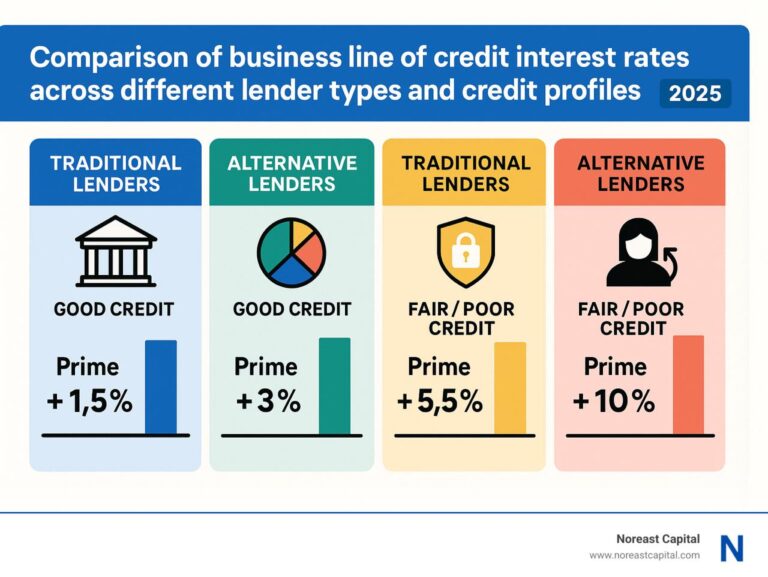
When compared to traditional bank loans or lines of credit, revenue-based financing may have higher interest rates. However, revenue-based financing offers the advantage of flexibility in repayment, as payments are based on the business’s monthly revenue. This can be beneficial for businesses with fluctuating revenue streams or seasonal sales patterns.
Small businesses should carefully evaluate their funding needs, cash flow projections, and growth plans to determine the most suitable financing option for their unique circumstances.

In 2026, small businesses have various sources of revenue-based financing available to them to support their growth and operations. These funding options can play a crucial role in helping small businesses thrive in a competitive market landscape.
Traditional financial institutions such as banks and credit unions continue to be a reliable source of revenue-based financing for small businesses in 2026. These institutions offer loans, lines of credit, and other financial products tailored to the needs of small businesses.
Alternative lenders, including online lenders and peer-to-peer lending platforms, have gained popularity as funding options for small businesses in 2026. These lenders often provide faster approval processes and more flexible terms compared to traditional financial institutions.
Venture capital firms and private equity investors remain key players in the funding landscape for small businesses in 2026. These investors are often interested in high-growth potential businesses and can provide significant funding in exchange for equity stakes.
Crowdfunding platforms have emerged as a viable funding option for small businesses in 2026. Through crowdfunding, small businesses can raise capital from a large number of individual investors who believe in their products or services.
Government grants and programs aimed at supporting small businesses continue to be an important source of funding in 2026. These grants can provide financial assistance to small businesses for specific projects or initiatives.
What are the eligibility criteria for revenue-based financing?
Eligibility for revenue-based financing typically depends on the business’s monthly revenue and growth potential. Lenders may also consider the business’s industry and credit history.
How is the repayment structure different in revenue-based financing compared to traditional loans?
In revenue-based financing, repayments are made as a percentage of the business’s monthly revenue, while traditional loans require fixed monthly payments.
Are there any restrictions on how businesses can use funds obtained through revenue-based financing?
Businesses usually have flexibility in how they use funds from revenue-based financing, as long as it is for business purposes. However, some lenders may have specific restrictions.
What happens if a business’s revenue fluctuates after securing revenue-based financing?
If a business’s revenue fluctuates, the repayment amount will adjust accordingly since it is tied to revenue. This flexibility can be beneficial during lean months.