JEPI ETF Explained: Dividend Income, Fees, Risks and Tax Considerations
Embark on a journey through the intricacies of JEPI ETF Explained: Dividend Income, Fees, Risks, and Tax Considerations. This article aims to shed light on the various aspects of this investment option in a comprehensive and engaging manner.
Providing insights into dividend income, fees, risks, and tax considerations associated with JEPI ETF, this piece aims to equip readers with valuable knowledge for informed decision-making.
![[Dividend Stocks 2026] SCHD vs JEPI (Monthly Income, Yield, Taxes)](https://lqz.goodstats.id/wp-content/uploads/2026/09/Gemini_Generated_Image_w88nx5w88nx5w88n.png "[Dividend Stocks 2026] SCHD vs JEPI (Monthly Income, Yield, Taxes)")
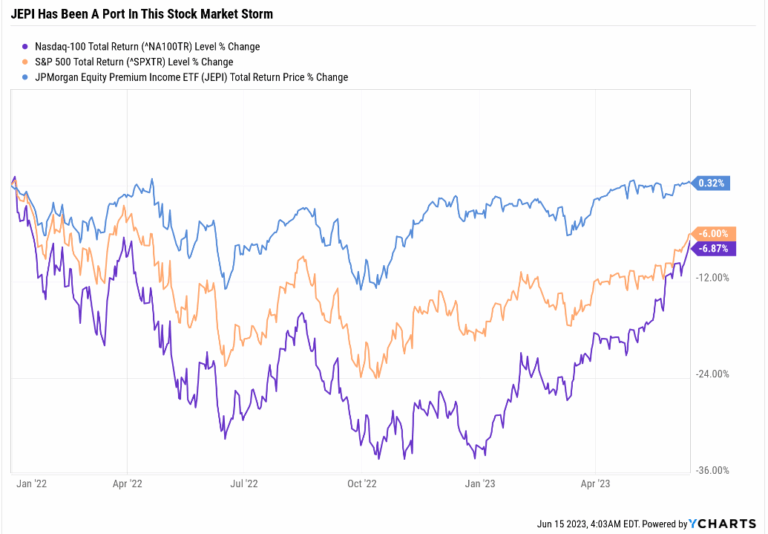
JEPI ETF stands for JPMorgan Equity Premium Income ETF, which is an exchange-traded fund designed to provide exposure to U.S. equities while generating income through a covered call strategy.The main objective of JEPI ETF is to seek investment results that closely correspond to the performance of the JPMorgan Equity Premium Income Index.
This index focuses on U.S. large-cap stocks and aims to enhance income through the implementation of a covered call strategy.
JEPI ETF employs a covered call strategy, which involves writing call options on a portion of the underlying equity securities in the portfolio. By selling these call options, the fund generates additional income in the form of option premiums. This strategy allows investors to potentially benefit from income generation while participating in the equity market’s upside potential.The fund may adjust the covered call strategy based on market conditions and the outlook for the underlying securities.
Overall, JEPI ETF aims to strike a balance between income generation and capital appreciation by leveraging the covered call strategy within the U.S. large-cap equity space.
Generating income through dividends is a key feature of JEPI ETF. When investors buy shares of JEPI, they are essentially investing in a diversified portfolio of dividend-paying stocks.
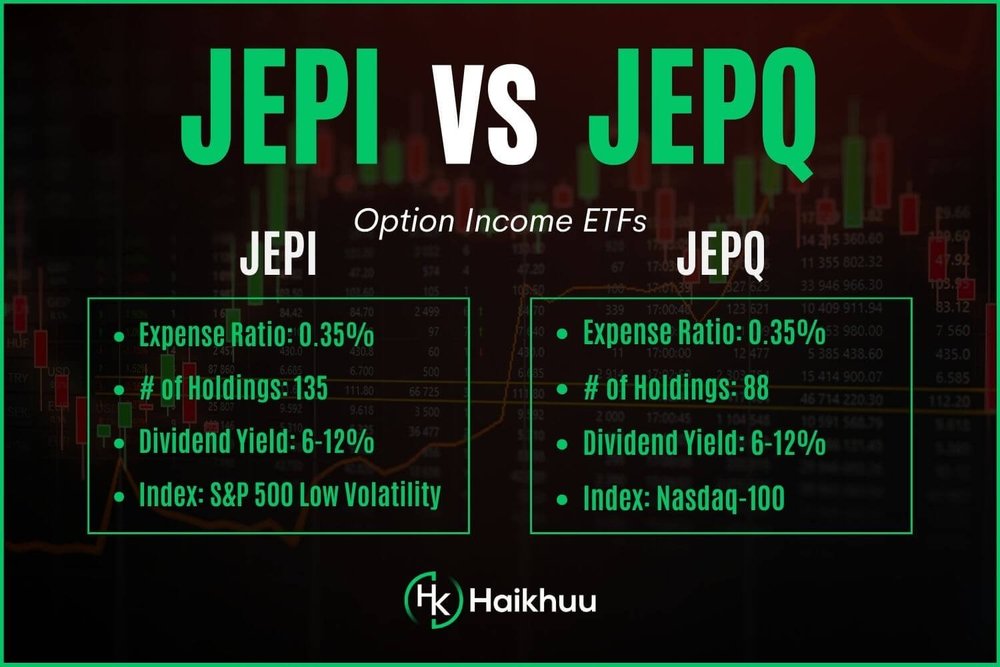
Investing in JEPI ETF involves various types of fees that can impact the overall return on investment. It is essential to understand these fees and consider strategies to minimize them to maximize your returns.
Investing in JEPI ETF comes with certain risks that investors should be aware of. These risks can impact the returns on your investment and should be considered before making any investment decisions.
Market risk is inherent in any investment, including JEPI ETF. Fluctuations in the overall market can affect the value of the ETF, causing potential losses for investors. It is important to understand that market risk is a common risk faced by all types of investments, not just ETFs.
Interest rate risk is another factor to consider when investing in JEPI ETF. Changes in interest rates can impact the performance of the ETF, especially fixed-income securities within the portfolio. Investors should be mindful of interest rate movements and their potential impact on the ETF’s value.
While ETFs are known for their diversification benefits, there is still a risk associated with concentration in a particular sector or asset class. JEPI ETF may be exposed to specific sectors or industries, leading to concentration risk. It is important for investors to assess the level of diversification within the ETF to mitigate this risk.
When comparing the risks associated with JEPI ETF to other types of investments, it is important to note that ETFs offer diversification benefits that can help mitigate specific risks. However, ETFs are still subject to market volatility and other inherent risks present in the financial markets.
To mitigate risks when holding JEPI ETF, investors can consider implementing the following strategies:
Investing in JEPI ETF comes with certain tax implications that investors need to consider. Dividends received from the ETF are typically taxed at the ordinary income tax rate. Additionally, any capital gains realized from selling shares of the ETF are subject to capital gains tax.
When managing investments in JEPI ETF, investors can employ tax-efficient strategies to minimize their tax liability. One common strategy is tax-loss harvesting, where investors sell investments that have experienced a loss to offset gains and reduce taxes owed. Another strategy is to hold onto investments for the long term to qualify for lower long-term capital gains tax rates.
When compared to other investment options, JEPI ETF offers certain tax advantages. For example, actively managed mutual funds may incur higher capital gains distributions, leading to higher tax liabilities for investors. Additionally, individual stock investments may trigger capital gains taxes upon selling shares.
What are the tax implications of investing in JEPI ETF?
The tax implications of investing in JEPI ETF vary based on individual circumstances, but generally, investors need to consider capital gains taxes and potential tax-efficient strategies for managing their investments.
How does JEPI ETF generate dividend income?
JEPI ETF generates dividend income through its underlying assets, which typically include dividend-paying stocks. Investors receive a portion of this income based on their holdings in the ETF.
What are the strategies to mitigate risks when holding JEPI ETF?
To mitigate risks when holding JEPI ETF, investors can diversify their portfolio, stay informed about market trends, and consider employing risk management techniques such as stop-loss orders.