Fiduciary Financial Advisor Near Me: Fees, Services and How to Compare Advisors
Exploring the realm of Fiduciary Financial Advisors Near Me: Fees, Services, and How to Compare Advisors opens up a world of financial guidance and decision-making. Dive into a journey filled with insights and comparisons, paving the way for informed choices and personalized financial planning.
When it comes to managing your finances and investments, working with a fiduciary financial advisor can make a significant difference in the quality of advice you receive.
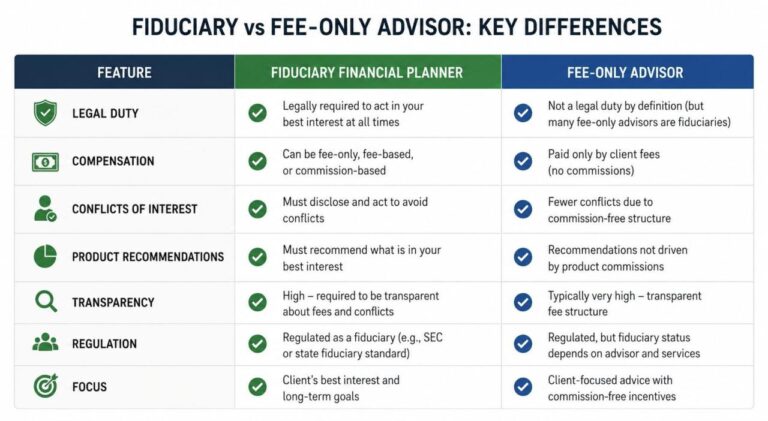
A fiduciary financial advisor is legally and ethically bound to act in the best interest of their clients at all times. This means they must prioritize your financial well-being above all else when providing advice or making recommendations.
Choosing to work with a fiduciary advisor means you can trust that the advice you receive is unbiased and focused solely on helping you reach your financial goals. This level of transparency and accountability can give you peace of mind knowing that your advisor is working in your best interest.

When working with a financial advisor, it is important to understand the various fee structures that may be involved. This can impact the overall cost of the services you receive and the incentives of the advisor. Below are some common fee structures used by financial advisors:
Commission-Based Fees:
Fee-Only Structures:
When working with a financial advisor, clients should be aware of potential hidden fees that could impact the overall cost of the services. Some examples include:
It is important to carefully review the fee structure and disclosure documents provided by the advisor to fully understand the costs involved in working with them.
When working with a financial advisor, clients can expect a wide range of services tailored to their individual needs and financial goals. These services are designed to provide personalized guidance and support in navigating the complexities of financial planning.
Financial advisors offer comprehensive financial planning services that encompass various aspects of a client’s financial life. This may include retirement planning, investment management, tax planning, estate planning, insurance analysis, and more. By creating a holistic financial plan, advisors help clients make informed decisions to secure their financial future.
Financial advisors offer personalized investment strategies tailored to each client’s unique financial situation and goals. These strategies may include:
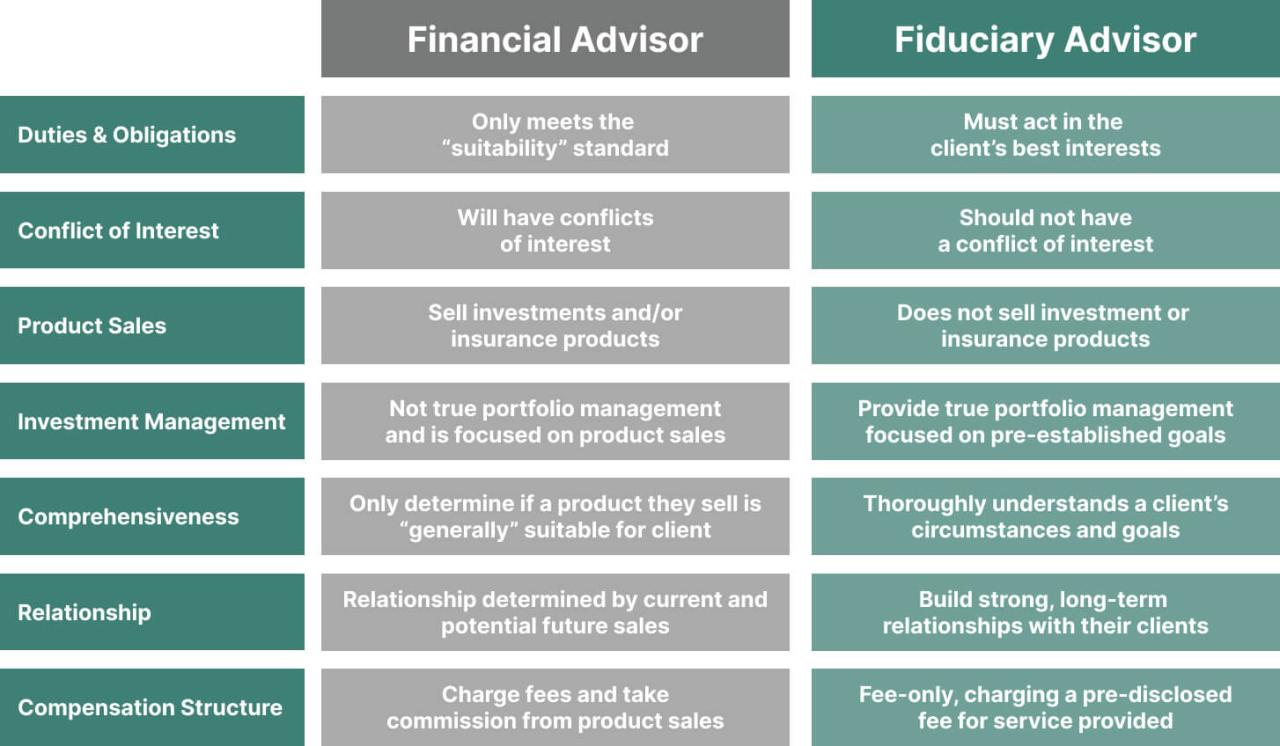
When comparing financial advisors, it’s essential to consider key factors that can impact the quality of service you receive and the overall success of your financial goals. From fees and services to expertise and qualifications, there are several aspects to take into account before making a decision.
When choosing a financial advisor, qualifications and certifications play a crucial role in ensuring you are working with a competent and trustworthy professional. Look for advisors who hold recognized certifications such as Certified Financial Planner (CFP), Chartered Financial Analyst (CFA), or Certified Public Accountant (CPA).
These certifications demonstrate that the advisor has met stringent standards of education, experience, and ethics, providing you with added confidence in their abilities to manage your finances effectively.
What is the role of a fiduciary financial advisor?
A fiduciary financial advisor is obligated to act in the best interest of their clients, putting client needs above their own.
How do fee-only structures differ from commission-based fees?
Fee-only structures involve clients paying a set fee for services, while commission-based fees earn advisors a commission through sales.
What are some potential hidden fees clients should be aware of?
Clients should watch out for account maintenance fees, transaction fees, and investment expense ratios that can impact their returns.
Why is personalized financial planning important?
Personalized financial planning tailors strategies to individual goals, ensuring a more effective financial roadmap.
What qualifications and certifications should one look for in a financial advisor?
Look for certifications like CFP (Certified Financial Planner) or CFA (Chartered Financial Analyst) to ensure expertise and professionalism.