Revenue Based Financing vs Business Line of Credit: Which Funding Option Costs Less?
Revenue Based Financing vs Business Line of Credit: Which Funding Option Costs Less? sets the stage for this enthralling narrative, offering readers a glimpse into a story that is rich in detail and brimming with originality from the outset.
In the realm of business financing, two popular options stand out: Revenue Based Financing and Business Line of Credit. Understanding the nuances of these funding avenues can make a significant impact on a company’s financial health.
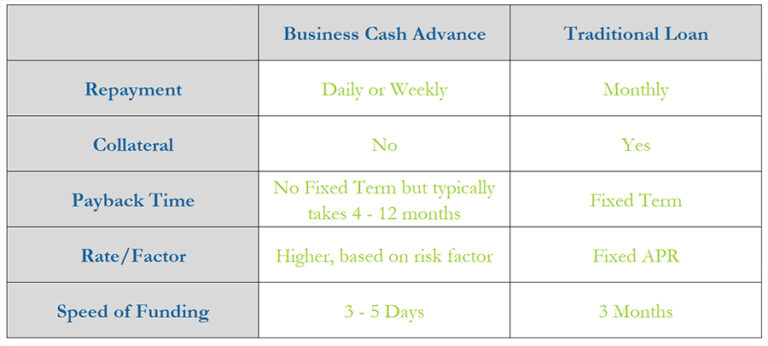
Revenue Based Financing is a funding option for businesses where a company receives upfront capital in exchange for a percentage of its future revenue. This type of financing is especially popular among startups and small businesses that may not qualify for traditional bank loans.
Various industries benefit from Revenue Based Financing, including software as a service (SaaS) companies, e-commerce businesses, and subscription-based services. These types of businesses with recurring revenue streams are well-suited for this financing option.
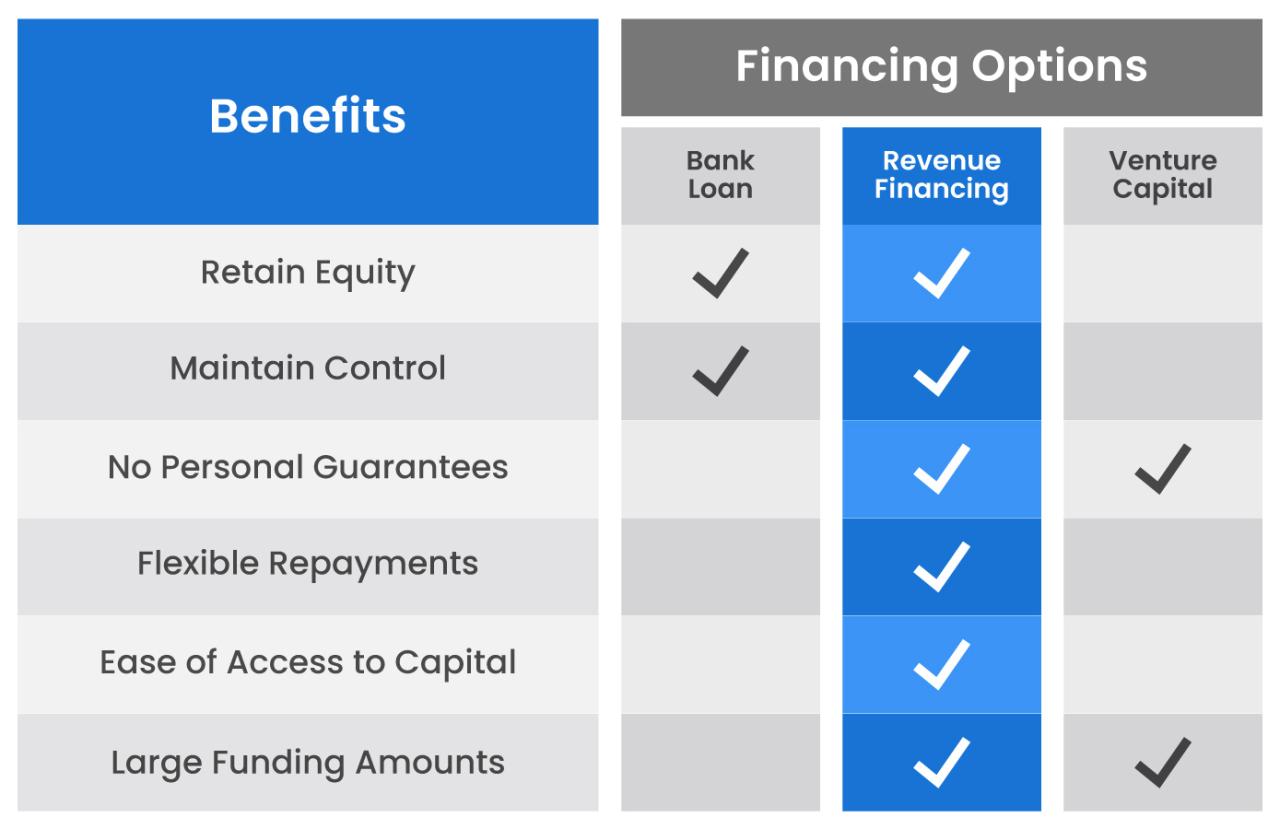
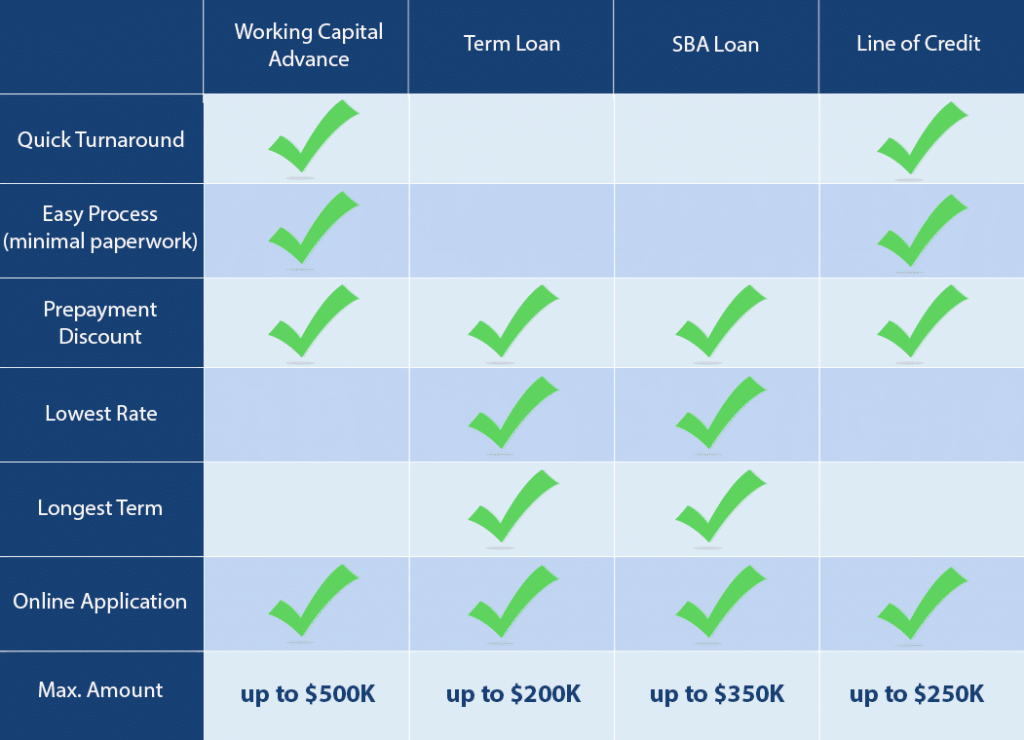
A Business Line of Credit is a financial tool that allows businesses to borrow funds up to a certain limit, similar to a credit card. It differs from traditional term loans in that businesses can borrow and repay funds as needed, only paying interest on the amount borrowed.Business Line of Credit can offer several advantages such as flexibility in borrowing and repayment, lower interest rates compared to credit cards, and the ability to access funds quickly when needed.
However, there are also disadvantages such as variable interest rates, fees for unused credit, and the potential for overspending if not managed properly.
In this section, we will delve into the costs associated with Revenue Based Financing and Business Line of Credit to help businesses determine which funding option costs less in the long run.
What is the main difference between Revenue Based Financing and Business Line of Credit?
The key difference lies in the repayment structure: Revenue Based Financing is based on a percentage of future revenue, while a Business Line of Credit provides a revolving credit line that can be repeatedly borrowed against.
Which option is more suitable for startups with fluctuating revenue?
For startups experiencing revenue fluctuations, Revenue Based Financing might be a more suitable option as the repayments are tied to revenue performance.
Are there any hidden costs associated with either funding option?
Both options may have additional fees and interest rates, so it’s essential for businesses to carefully review the terms and conditions before committing to either.
How do eligibility criteria differ for Revenue Based Financing and Business Line of Credit?
Revenue Based Financing typically focuses on revenue performance, while Business Line of Credit considers factors like credit history and business stability.