Business Line of Credit Rates in 2026: Interest, Fees and Eligibility Explained
Delving into the realm of Business Line of Credit Rates in 2026: Interest, Fees and Eligibility Explained, we uncover a comprehensive exploration that promises insights into the financial landscape of the upcoming year.
As we navigate through the nuances of interest rates, fees, and eligibility criteria, a deeper understanding of the dynamics at play begins to emerge.
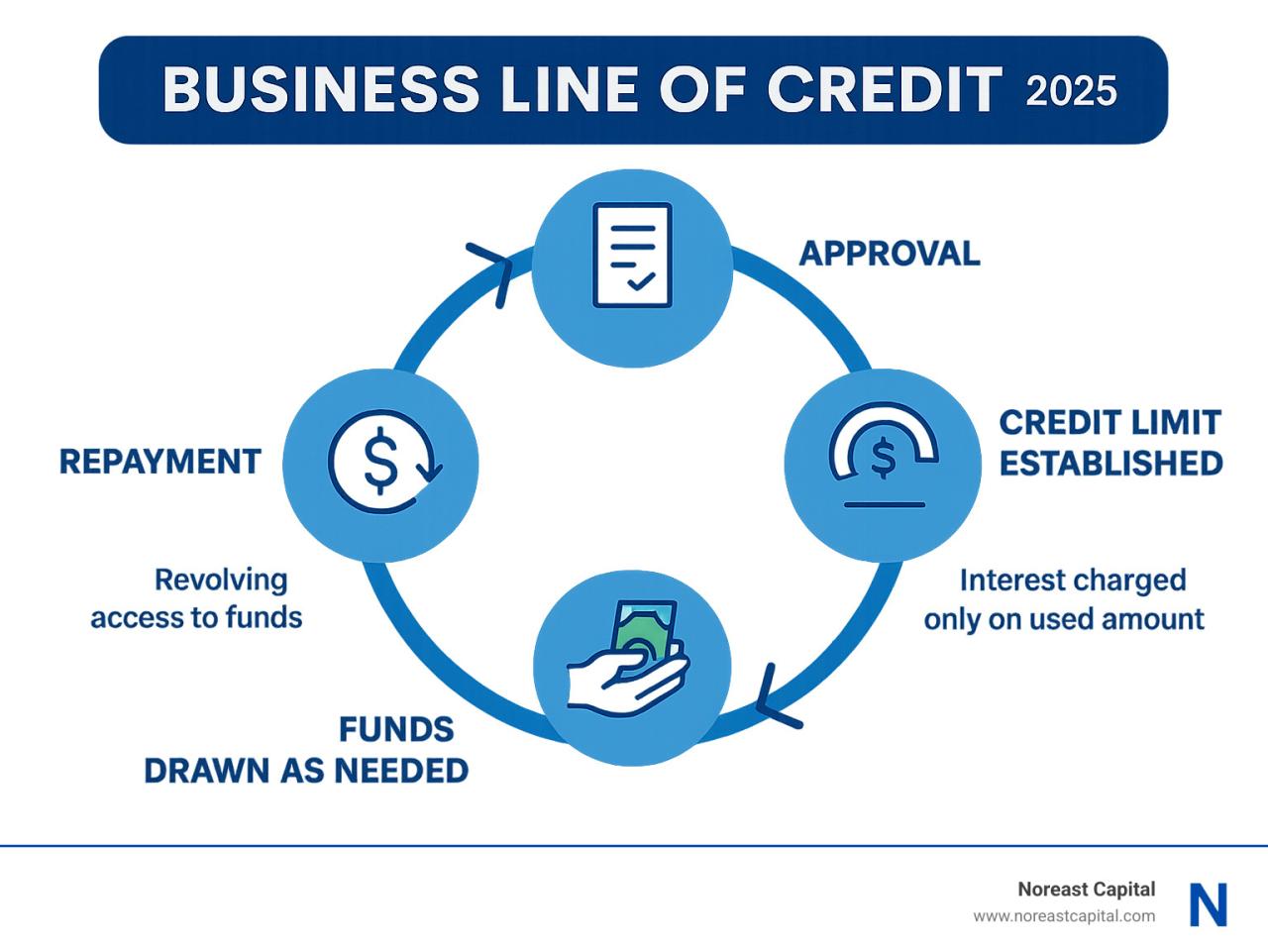
Business line of credit rates are the interest rates charged on funds borrowed through a line of credit specifically designed for business purposes. These rates can vary based on a variety of factors and play a crucial role in determining the overall cost of borrowing for businesses.
In 2026, interest rates on business lines of credit are expected to be influenced by economic conditions, market trends, and government policies. The rates may fluctuate based on the prevailing interest rate environment and the risk profile of individual businesses.
When it comes to business lines of credit in 2026, understanding the interest rates is crucial for making informed financial decisions. Let’s delve into the typical interest rates, comparison between fixed and variable rates, and how economic conditions can impact these rates.
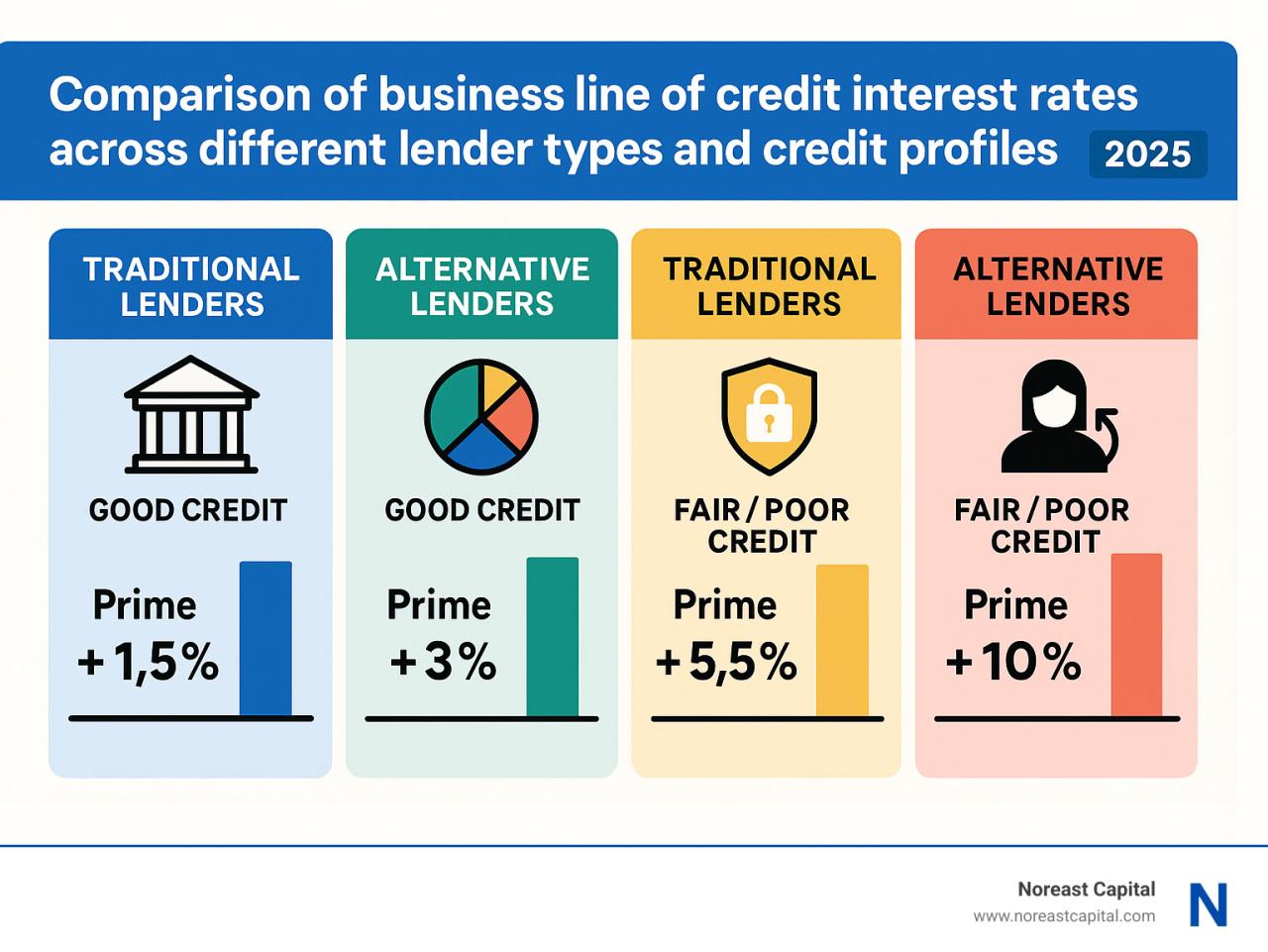
Business lines of credit in 2026 typically have interest rates that can range from 7% to 25% APR, depending on the lender, the creditworthiness of the borrower, and other factors. It’s important for businesses to shop around and compare rates to find the best option.
Fixed interest rates on business lines of credit remain the same throughout the term of the loan, providing predictability in monthly payments. On the other hand, variable interest rates can fluctuate based on market conditions, potentially resulting in lower initial rates but higher risk of increase over time.
Economic conditions play a significant role in determining interest rates on business lines of credit. In times of economic growth, interest rates may rise as demand for credit increases. Conversely, during economic downturns, interest rates may decrease to stimulate borrowing and spending.
When considering a business line of credit in 2026, it’s crucial to understand the various fees that may be associated with this financial product. These fees can significantly impact the overall cost and feasibility of utilizing a line of credit for your business needs.
The structure of fees associated with a business line of credit can greatly affect its attractiveness to borrowers. For example, a line of credit with high origination fees and maintenance fees may end up costing more in the long run, making it less desirable for businesses with tight cash flow.
On the other hand, a line of credit with no origination fees and low maintenance fees may be more appealing to businesses looking to minimize upfront costs and ongoing expenses. Understanding how different fee structures can impact the overall cost is essential when evaluating the suitability of a business line of credit for your specific needs.
When it comes to obtaining a business line of credit in 2026, there are certain eligibility requirements that businesses need to meet. These criteria can vary depending on the financial institution, but there are some common factors that play a significant role in determining eligibility.
In 2026, credit scores continue to be a crucial factor in determining eligibility for a business line of credit. Lenders often look at both personal and business credit scores to assess the creditworthiness of a business. A higher credit score generally indicates lower risk for the lender, making it easier for businesses to qualify for favorable rates.
The revenue of a business also plays a key role in determining eligibility for a line of credit. Lenders typically look at the annual revenue of a business to ensure that it has the financial capacity to repay the borrowed funds.
Businesses with higher revenues are more likely to qualify for larger credit lines and lower interest rates.
Another important factor that lenders consider is the business history. A strong track record of profitability and stability can increase the chances of approval for a business line of credit. Lenders may look at how long the business has been operating, its industry experience, and any past borrowing history to assess the risk involved.
What are the common fees associated with business lines of credit?
Common fees include origination fees, maintenance fees, and prepayment penalties, all of which can impact the overall cost of the credit line.
How do economic conditions affect interest rates on business lines of credit?
Economic conditions play a significant role in determining interest rates, as fluctuations in the market can lead to changes in rates offered to businesses.
What factors can improve a business’s eligibility for favorable line of credit rates?
Factors such as maintaining a good credit score, demonstrating steady revenue, and having a solid business history can enhance eligibility for better rates.