JEPI ETF vs High-Yield Dividend Funds: Income, Fees and Long-Term Returns
Kicking off with JEPI ETF vs High-Yield Dividend Funds: Income, Fees and Long-Term Returns, this opening paragraph is designed to captivate and engage the readers, setting the tone casual formal language style that unfolds with each word.
As we delve into the realm of JEPI ETF and High-Yield Dividend Funds, we uncover a comparison of income, fees, and long-term returns to shed light on the ideal investment choice for savvy investors.
JEPI ETF, or JPMorgan Equity Premium Income ETF, is an exchange-traded fund that aims to provide investors with income and growth potential by investing in a diversified portfolio of equities and writing call options on the S&P 500 Index.JEPI ETF Key Features:
Comparison with Traditional Dividend Funds:
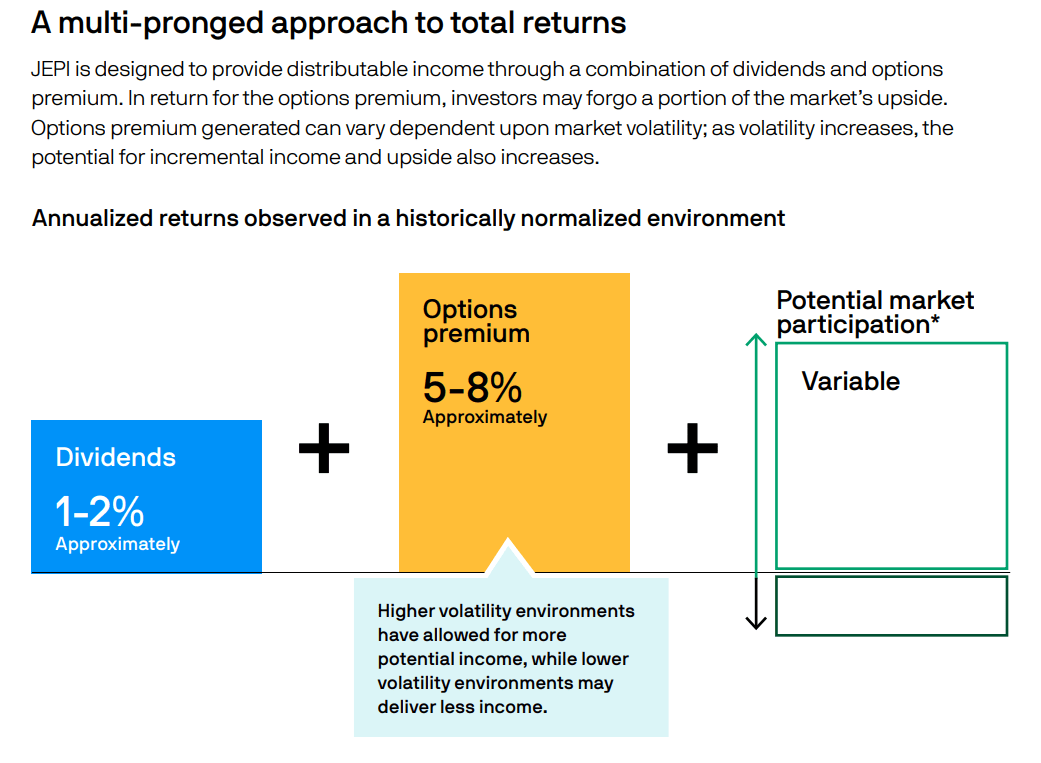
High-yield dividend funds are investment vehicles that focus on generating a high level of income for investors through dividends. These funds typically invest in stocks of companies that have a history of paying consistently high dividends.High-yield dividend funds are characterized by their emphasis on income generation rather than capital appreciation.
Investors who prioritize a steady stream of income often turn to these funds to supplement their cash flow.
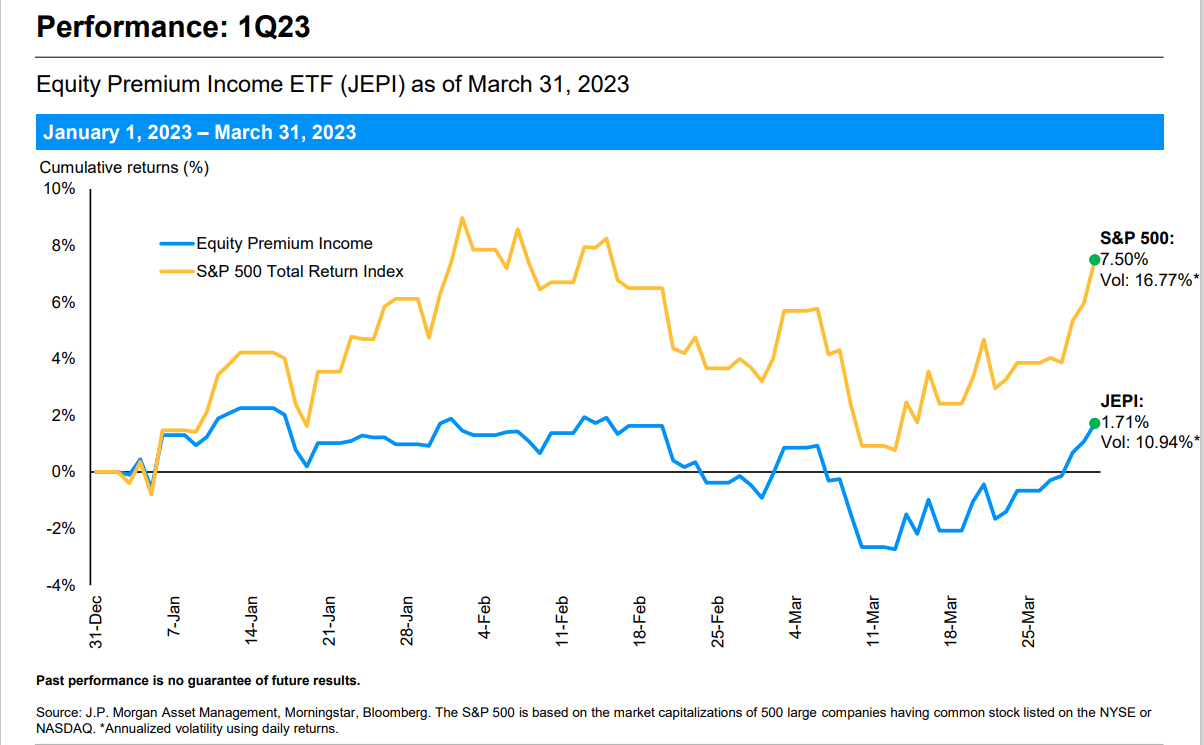
Income generation is a crucial aspect to consider when evaluating investment options like JEPI ETF and high-yield dividend funds. Understanding how each option generates income can help investors make informed decisions based on their financial goals and risk tolerance.When comparing the income generation potential of JEPI ETF and high-yield dividend funds, it is essential to consider the underlying assets and investment strategies of each.
JEPI ETF focuses on generating income through a diversified portfolio of preferred securities, while high-yield dividend funds typically invest in stocks of companies that pay higher-than-average dividends.Factors influencing the income generated by JEPI ETF and high-yield dividend funds include the dividend yields of the underlying assets, the frequency of dividend distributions, and the overall performance of the investment portfolio.
In the case of JEPI ETF, income is primarily generated through the interest payments from the preferred securities held in the portfolio. On the other hand, high-yield dividend funds generate income through dividends paid by the companies in which they invest.
When comparing JEPI ETF and high-yield dividend funds, it’s crucial to understand the fee structures of each investment option. Fees play a significant role in determining the overall returns for investors, as they directly impact the net income generated. Let’s delve into the fee comparison to see how they affect the long-term performance of these investments.
Expense ratios are a key factor to consider when evaluating the cost of investing in JEPI ETF and high-yield dividend funds. The expense ratio represents the percentage of a fund’s assets that are used to cover operating expenses. A lower expense ratio indicates lower costs for investors, ultimately leading to higher returns.
JEPI ETF typically has a lower expense ratio compared to high-yield dividend funds, making it a more cost-effective investment option for income seekers.
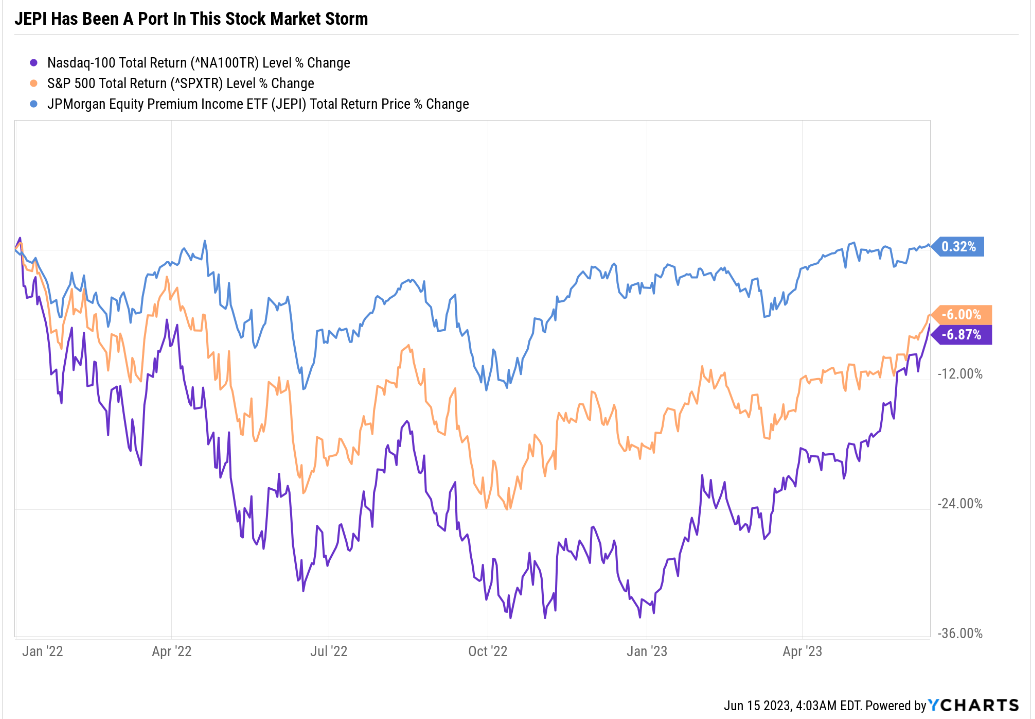
Investors often look at historical long-term returns to gauge the performance of their investments. Let’s evaluate the long-term returns of JEPI ETF and high-yield dividend funds to understand how they have fared over time.
JEPI ETF has shown consistent growth over the years, providing investors with attractive returns. The ETF’s long-term performance can be attributed to its diversified portfolio of high-quality, income-generating securities. Additionally, JEPI’s focus on both capital appreciation and income generation has contributed to its solid long-term returns.
High-yield dividend funds have also been known to deliver competitive long-term returns. These funds typically invest in dividend-paying stocks of companies with a strong track record of consistent dividend payments. The long-term performance of high-yield dividend funds is influenced by factors such as dividend yield, dividend growth, and overall market conditions.
Several factors contribute to the long-term performance of JEPI ETF and high-yield dividend funds. These include the overall economic environment, interest rates, market volatility, company performance, dividend policies, and fund management strategies. Investors should consider these factors when assessing the long-term potential of these investment options.
When choosing between JEPI ETF and high-yield dividend funds, investors should look at historical performance data, annualized returns, volatility measures, and risk-adjusted returns. Comparing the long-term returns of these investment options can help investors make informed decisions based on their financial goals, risk tolerance, and investment preferences.
What is the main difference between JEPI ETF and High-Yield Dividend Funds in terms of income generation?
JEPI ETF focuses on a balanced approach to income generation, while High-Yield Dividend Funds aim for higher yields but with increased risks.
How do the fee structures of JEPI ETF and High-Yield Dividend Funds differ?
JEPI ETF typically has lower expense ratios compared to High-Yield Dividend Funds, which can impact overall returns for investors.
What are some key factors that contribute to the long-term performance of JEPI ETF and High-Yield Dividend Funds?
For JEPI ETF, diversification and market conditions play a significant role, while for High-Yield Dividend Funds, interest rate changes and economic factors are crucial.