Boiler Replacement vs Heat Pump: Cost and Energy Efficiency Compared
Starting off with the comparison of Boiler Replacement vs Heat Pump: Cost and Energy Efficiency, this introductory paragraph aims to grab the readers’ attention with valuable insights into the topic.
The subsequent paragraph will delve deeper into the specifics of each option, shedding light on key differences and considerations.
When it comes to choosing between replacing a boiler and installing a heat pump, homeowners need to consider various factors to make an informed decision. Let’s explore the key differences and aspects to consider:
Boiler Replacement:
Heat Pump Installation:
When deciding between a boiler replacement and a heat pump installation, homeowners should consider:
Boilers vs Heat Pumps:
In considering whether to replace a boiler or install a heat pump, it is essential to analyze the costs associated with each option. Below, we will delve into the detailed cost breakdown of replacing a boiler and the upfront costs of purchasing and installing a heat pump, as well as comparing the long-term cost savings and the impact of energy efficiency ratings on overall costs.
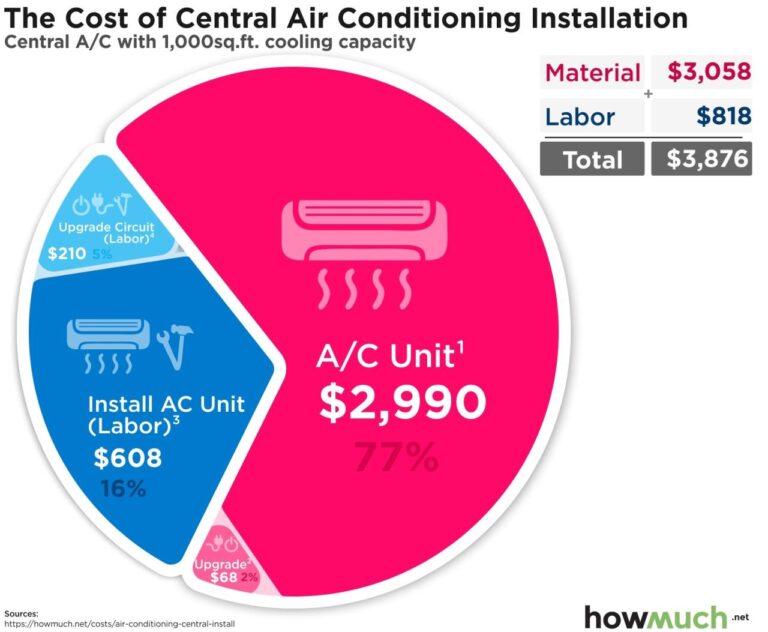
When replacing a boiler, the costs can vary depending on factors such as the type of boiler, size of the property, and any additional upgrades needed. Here is a breakdown of the typical costs involved:
Installing a heat pump involves upfront costs that include the purchase of the unit and installation expenses. Here are some common costs associated with installing a heat pump:
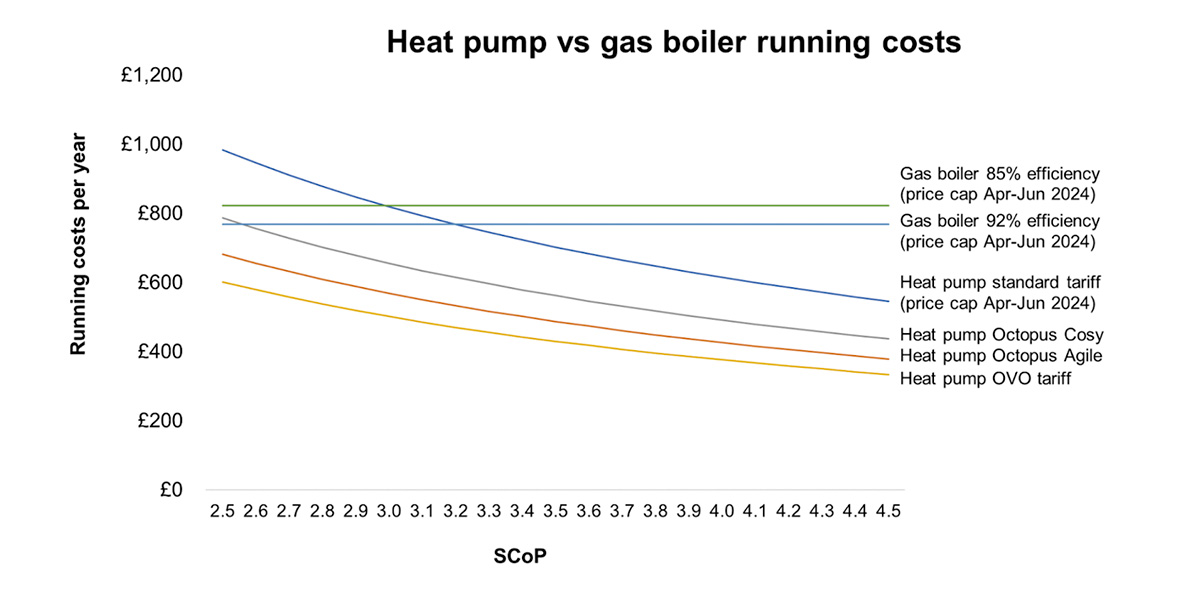
While the initial costs of installing a heat pump may be higher than replacing a boiler, heat pumps are generally more energy-efficient, which can lead to long-term cost savings on energy bills. Factors such as the region’s climate, energy prices, and the efficiency of the heating system will impact the long-term cost savings associated with using a boiler versus a heat pump.
Energy efficiency ratings play a significant role in determining the overall costs of operating a heating system. Higher efficiency ratings indicate that the system uses less energy to provide the same level of heating, resulting in lower energy bills. When comparing the costs of a boiler and a heat pump, it is crucial to consider their respective energy efficiency ratings to determine the most cost-effective option.
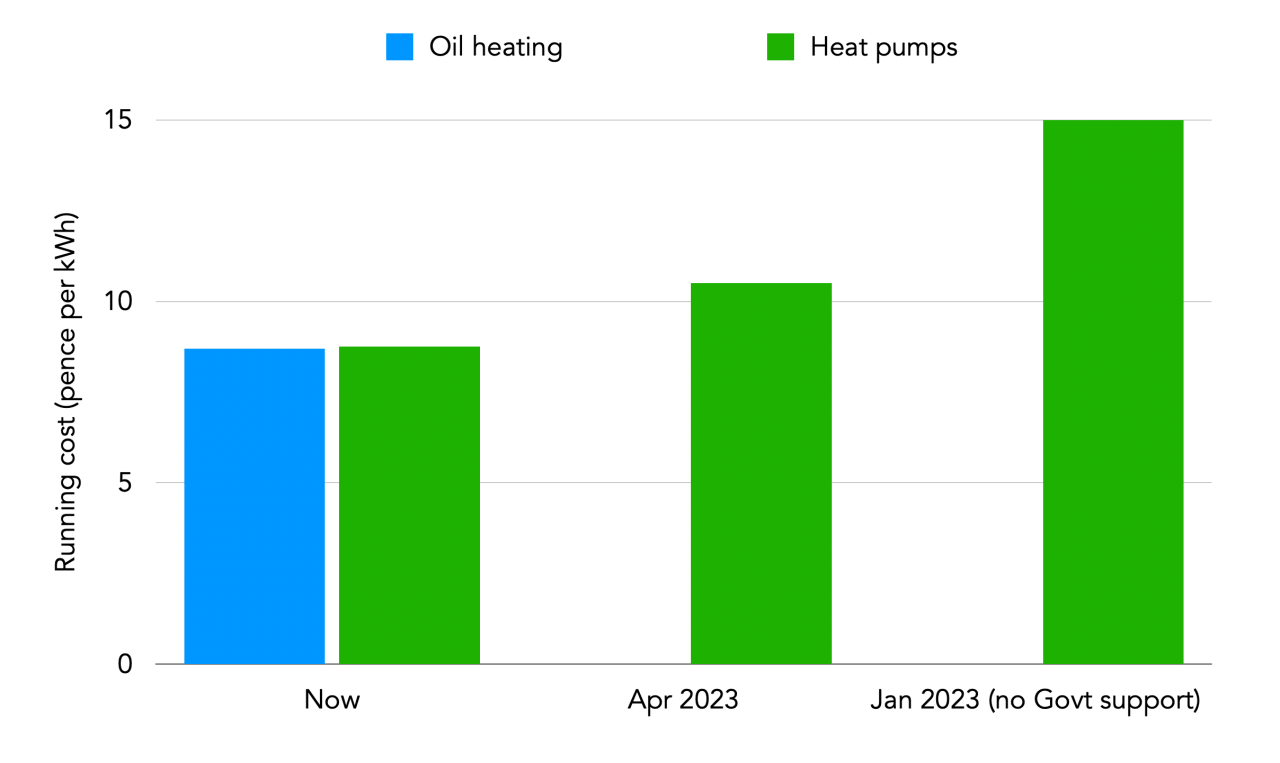
Boilers and heat pumps differ in terms of energy efficiency, impacting both cost savings and environmental considerations. Let’s delve into the specifics of each system to understand their efficiency ratings and environmental impact.
Modern boilers are rated for energy efficiency using the Annual Fuel Utilization Efficiency (AFUE) percentage. This rating indicates how much fuel a boiler converts into usable heat over the course of a typical year. High-efficiency condensing boilers typically have AFUE ratings of 90% or higher, meaning they convert 90% or more of the fuel they consume into heat for the home.
Heat pumps operate by transferring heat from one space to another rather than generating heat through combustion. This method of heat transfer is highly efficient, as it requires less energy input to move heat from the outside air or ground to heat the home.
Heat pumps can achieve high efficiency ratings, such as a Heating Seasonal Performance Factor (HSPF) of 8 or higher, indicating efficient heat output relative to electricity input.
Boilers that burn fossil fuels like natural gas or oil produce carbon emissions during operation, contributing to air pollution and climate change. In contrast, heat pumps use electricity to move heat rather than burning fuel, resulting in lower carbon emissions and reduced environmental impact.
Switching from a boiler to a heat pump can significantly decrease a home’s carbon footprint and overall environmental impact.
The energy savings potential of switching from a boiler to a heat pump depends on factors such as the efficiency of the existing boiler, the cost of fuel or electricity, and the climate in which the home is located. However, in many cases, homeowners can expect to see substantial energy savings by making the switch.
Heat pumps offer the opportunity for long-term cost savings, especially as electricity generation becomes increasingly renewable and efficient.
When it comes to the installation process of replacing a boiler or installing a heat pump, there are specific steps and considerations that homeowners need to be aware of to ensure a smooth and successful transition.
What factors should homeowners consider when deciding between a boiler replacement and a heat pump?
Homeowners should consider factors such as upfront costs, long-term savings, energy efficiency, and environmental impact before making a decision.
What is the typical lifespan of boilers and heat pumps?
Boilers typically last around 15 years, while heat pumps can have a lifespan of 10-15 years depending on usage and maintenance.
How do energy efficiency ratings impact the overall cost of a boiler or heat pump?
Higher energy efficiency ratings can lead to lower operating costs over time, balancing out the initial investment in a more efficient system.