Air Conditioning Installation Cost Australia: What Homeowners Should Expect
Delving into Air Conditioning Installation Cost Australia: What Homeowners Should Expect, this introduction immerses readers in a unique and compelling narrative, providing an insightful overview of the factors influencing installation costs, average cost breakdowns, understanding installation quotes, and the choice between DIY and professional installation.
When it comes to air conditioning installation costs in Australia, several key factors can significantly influence the overall expenses involved. Understanding these factors is crucial for homeowners planning to install a new air conditioning system.
The size of the home plays a crucial role in determining the cost of air conditioning installation. Larger homes require more powerful and complex systems to ensure adequate cooling, which can drive up the overall installation costs.
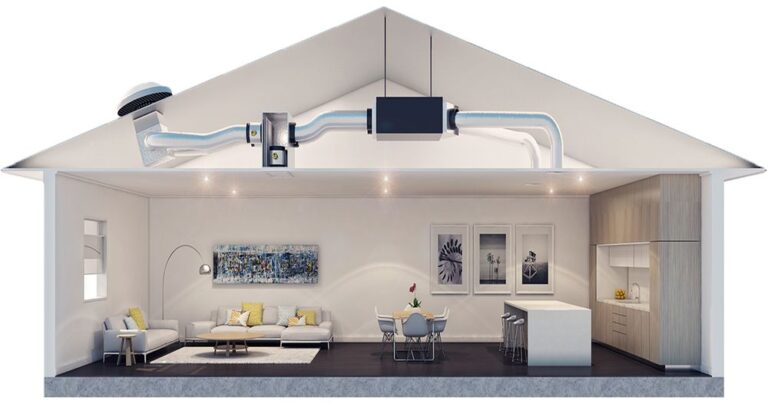
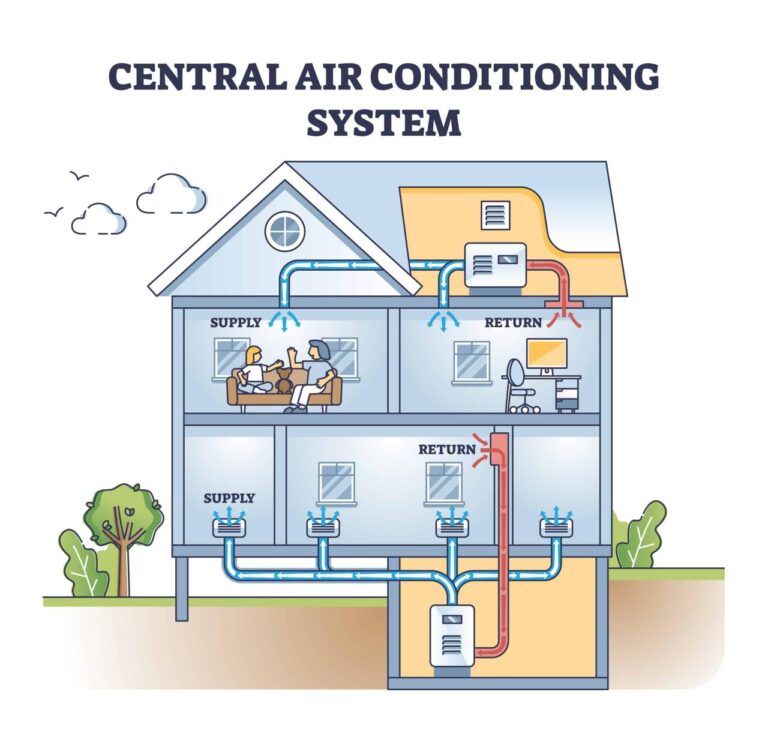
The type of air conditioning system chosen also impacts the installation cost. Ducted systems, split systems, and multi-split systems all come with different price points, depending on their complexity and efficiency levels.
Incorporating additional features such as zoning capabilities, smart thermostats, or advanced filtration systems can add to the overall cost of air conditioning installation. While these features offer added comfort and convenience, they also come with a price tag.
The location of the home and its accessibility can affect the installation costs. Homes in remote or difficult-to-reach areas may incur higher transportation costs for equipment and labor. Similarly, homes with limited access to the installation site may require additional time and effort, impacting the overall expenses.
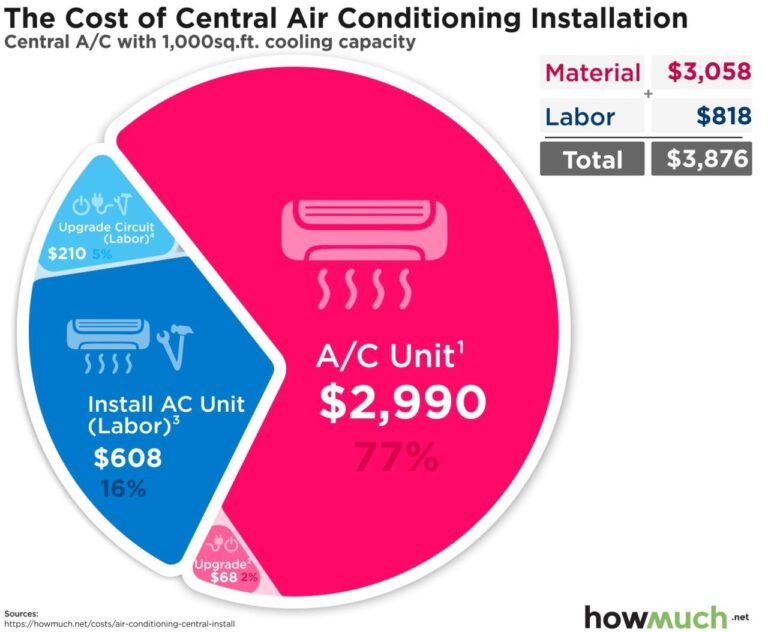
Labor costs also play a significant role in determining the total cost of air conditioning installation. Factors such as the complexity of the installation, the experience of the technicians, and the time required for the job can all influence the labor costs involved.

When it comes to air conditioning installation costs in Australia, it’s essential to understand the average breakdown by system type. Different types of air conditioning systems have varying installation expenses based on complexity and materials required. Let’s explore the cost differences between split system, ducted, evaporative cooling, and reverse cycle systems.
Split system air conditioning units are popular for their affordability and flexibility. The average installation cost for a split system in Australia ranges from $600 to $2,500. This cost can vary depending on the unit’s capacity, brand, and the complexity of the installation.
Ducted air conditioning systems provide whole-house cooling and heating, making them a premium choice for many homeowners. The average installation cost for a ducted system in Australia ranges from $5,000 to $15,000. This higher cost is due to the complexity of ductwork installation throughout the home.
Evaporative cooling systems are energy-efficient and environmentally friendly options for cooling Australian homes. The average installation cost for an evaporative cooling system ranges from $2,000 to $6,000. This cost includes the unit, installation, and any additional ductwork required.
Reverse cycle air conditioning systems provide both cooling and heating capabilities, making them versatile for year-round comfort. The average installation cost for a reverse cycle system in Australia ranges from $4,000 to $10,000. The cost can vary based on the unit’s size, brand, and installation complexity.
When it comes to getting air conditioning installation quotes, homeowners may feel overwhelmed by the various figures and details presented to them. It is essential to understand how to interpret and compare these quotes to make an informed decision about the installation process.
When it comes to air conditioning installation, homeowners often face the decision of whether to attempt a DIY project or hire professional technicians. Both options have their own set of advantages and disadvantages that need to be carefully considered before making a decision.While a DIY installation may seem cost-effective initially, it can lead to potential risks and complications down the line.
On the other hand, hiring licensed professionals may come at a higher cost but offers expertise, warranty coverage, safety assurance, and overall efficiency in the installation process.
What are some key factors influencing air conditioning installation costs?
Factors such as the size of the home, type of system chosen, location, accessibility, and labor costs can impact installation expenses.
How can homeowners interpret installation quotes?
Homeowners should look for detailed quotes that provide transparency and accuracy, and it’s essential to get multiple quotes for comparison.
What are the pros and cons of DIY versus professional installation?
Hiring professionals ensures expertise and warranty, while DIY may save costs but comes with risks in terms of safety and efficiency.