
Financial Advisor Fees for Retirement and Investment Planning: What Investors Should Expect
As Financial Advisor Fees for Retirement and Investment Planning: What Investors Should Expect takes center stage, this opening passage beckons readers with casual formal language style into a world crafted with good knowledge, ensuring a reading experience that is both absorbing and distinctly original.
In the realm of financial planning, understanding the fees associated with retirement and investment planning is crucial for investors looking to secure their financial futures. This article delves into the intricate world of financial advisor fees, shedding light on what investors should expect in terms of costs and services.

When working with a financial advisor, it’s important to understand the various fees that may be involved. These fees can vary depending on the type of advisor you choose and the services they provide.
Financial advisors typically charge fees in different ways, including:
When it comes to determining the fees charged by financial advisors for retirement and investment planning, several factors come into play. These factors can impact the total cost of services and vary from one advisor to another.
The complexity of an individual’s financial situation is a key factor that can influence the fees charged by a financial advisor. Advisors may charge higher fees for clients with more intricate financial needs, such as multiple income sources, complex investments, or estate planning requirements.
The more time and expertise required to address these complexities, the higher the advisory fees are likely to be.
Financial advisors often charge a percentage of the assets they manage on behalf of their clients. This fee structure, known as assets under management (AUM), can vary but typically ranges from 0.5% to 2% of the total assets. The higher the value of assets under management, the more fees a client can expect to pay.
This fee structure aligns the advisor’s interests with the client’s, as the advisor’s compensation increases as the client’s assets grow.
In addition to AUM-based fees, some financial advisors charge hourly rates or flat fees for their services. Hourly rates can range from $100 to $400 per hour, depending on the advisor’s experience and expertise. Flat fees, on the other hand, may be charged for specific services, such as creating a financial plan or conducting a portfolio review.
Clients should consider their needs and preferences to determine which fee structure aligns best with their financial goals and budget.
Fee disclosure and transparency are crucial elements in the client-advisor relationship as they help establish trust and ensure that clients have a clear understanding of the costs involved in their financial planning. When financial advisors are transparent about their fees, clients can make informed decisions and feel confident that their advisor is acting in their best interest.
Financial advisors are required to adhere to certain regulatory requirements when disclosing their fees to clients. For example, under the SEC’s Regulation Best Interest (Reg BI), advisors must provide clients with a disclosure document known as Form CRS (Customer Relationship Summary).
This document Artikels important information about the advisor, including fees, services offered, and any conflicts of interest that may exist.
Clear fee communication is essential for helping investors make informed decisions about their financial planning. When clients understand how their advisor is compensated, they can better assess the value they are receiving and whether the fees are reasonable based on the services provided.
Transparent fee disclosure also helps clients avoid any surprises and ensures that there are no hidden costs that could impact their investment returns.
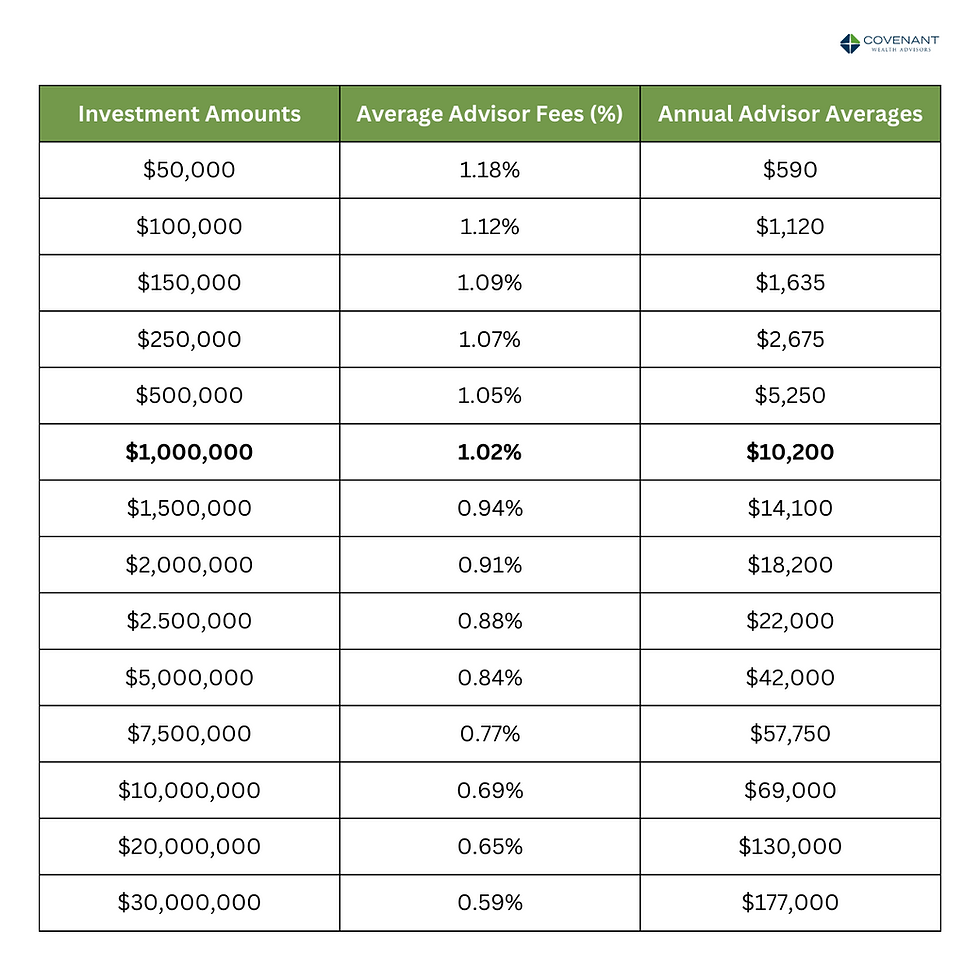
Investors should always assess the value they receive in exchange for the fees paid to their financial advisor. This evaluation ensures that they are getting the best possible service and advice for their investment and retirement planning needs.
Performance-based fees or fee structures tied to financial goals can align the interests of the advisor and the client. When the advisor’s compensation is directly linked to the performance of the investments or the achievement of financial goals, it motivates them to work in the best interest of the client.
This alignment ensures that both parties are working towards the same objectives and encourages the advisor to make decisions that benefit the client’s financial well-being.
Regular communication and reviews are essential to ensure that the services provided by the financial advisor justify the fees charged. By staying in touch with the advisor, investors can track the progress of their investments, discuss any changes in their financial circumstances, and address any concerns or questions they may have.
Ongoing reviews allow both parties to assess the performance of the investment portfolio, adjust strategies as needed, and ensure that the services provided are meeting the client’s expectations.
What are the different types of fees financial advisors typically charge?
Financial advisors typically charge fees based on commission, a percentage of assets under management, or a flat fee for services.
How do fee structures vary based on services offered?
Fee structures can vary depending on the complexity of services provided, with some advisors offering comprehensive financial planning while others focus on specific investment products.
What factors influence the amount of fees charged by financial advisors?
The complexity of an individual’s financial situation, the amount of assets under management, and the fee structure chosen can all impact the fees charged by financial advisors.
How can investors evaluate the value they receive for the fees paid to their financial advisor?
Investors can assess value through performance-based fees, fee structures aligned with financial goals, and regular communication and reviews with their advisor.