
Whitney Tilson Investment Strategy: Value Investing, Stock Research and Portfolio Lessons
Embark on a journey through Whitney Tilson’s Investment Strategy: Value Investing, Stock Research, and Portfolio Lessons. Learn how Tilson navigates the world of investing with his unique approach and insights that set him apart in the field.
Delve into the principles of value investing, discover Tilson’s strategies for stock research, and gain valuable lessons on portfolio management.

Whitney Tilson is a prominent value investor known for his disciplined approach to investing in undervalued stocks. His investment strategy is based on the principles of value investing, which involves identifying companies that are trading below their intrinsic value.
Value investing is a strategy where investors seek out stocks that are trading at a discount to their intrinsic value. This approach involves analyzing fundamental factors such as earnings, cash flow, and assets to determine the true worth of a company.
Whitney Tilson applies value investing in his stock research by conducting thorough analysis of financial statements, industry trends, and competitive positioning of companies. He looks for opportunities where the market has undervalued a company’s stock, leading to potential for future growth.
Portfolio lessons are crucial in value investing as they help investors learn from their successes and mistakes. By reflecting on past investment decisions, investors like Whitney Tilson can refine their strategies and improve their overall performance in the stock market.
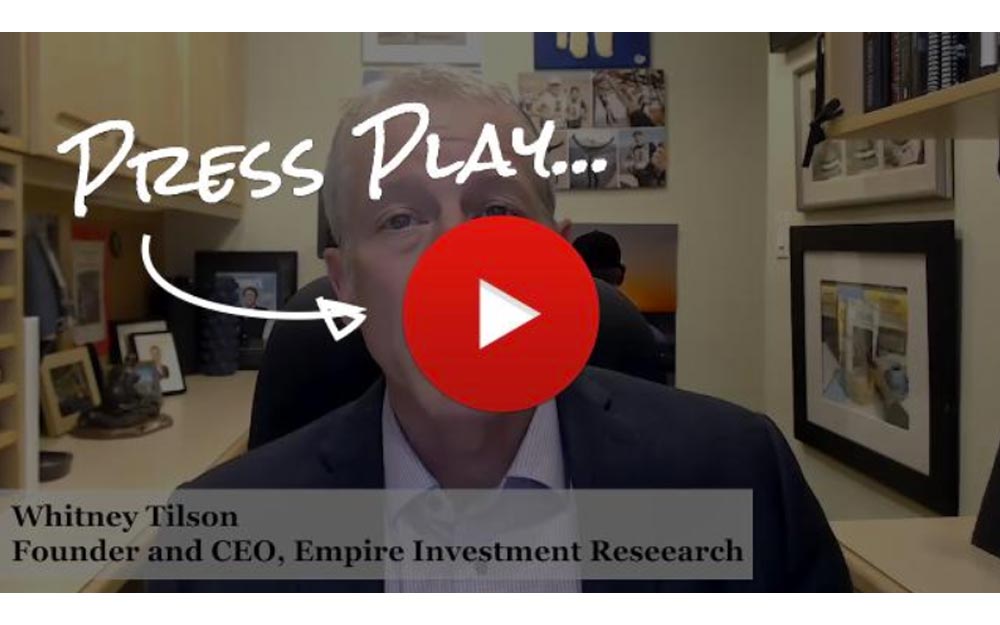
Value investing is a strategy that involves investing in companies that are trading below their intrinsic value. This approach focuses on finding stocks that are undervalued by the market, with the belief that their true worth will eventually be recognized.
Value investing differs from other strategies like growth investing, which focuses on companies with strong growth potential regardless of their current valuation. Value investing also contrasts with momentum investing, which involves buying stocks that have shown upward price momentum in the hopes of continued gains.
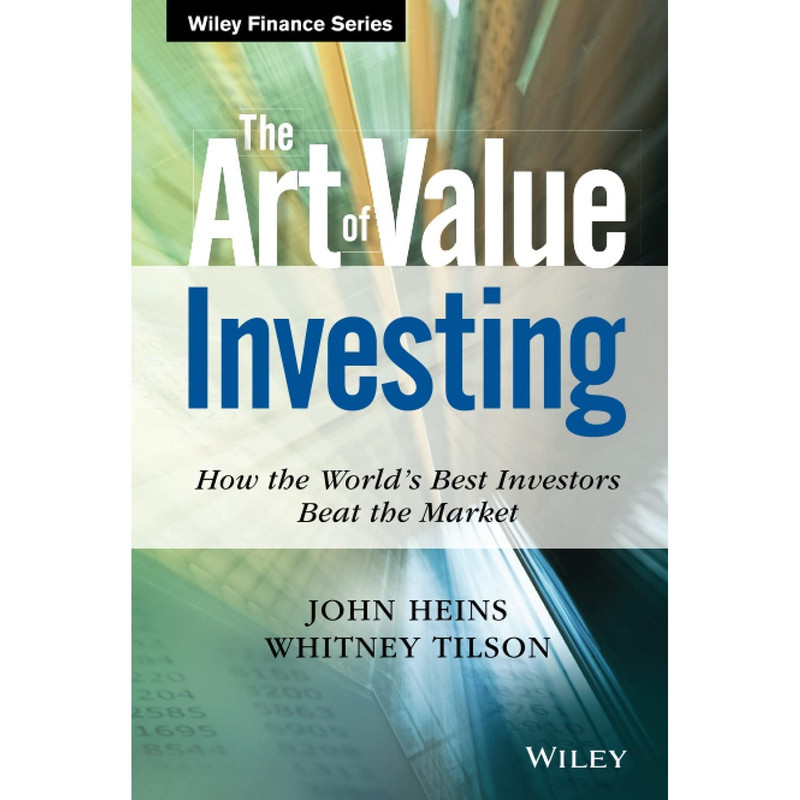
Investing in stocks involves thorough research and analysis to identify potential opportunities for growth and value. Whitney Tilson follows a systematic approach when researching potential stocks, which includes fundamental analysis and evaluation criteria to make informed investment decisions.
Whitney Tilson’s process for researching potential stocks involves conducting in-depth analysis of companies, industries, and market trends. He looks for companies with strong competitive advantages, solid financials, and promising growth prospects. Tilson also considers macroeconomic factors and market conditions to gauge the overall investment landscape.
Fundamental analysis plays a crucial role in Tilson’s stock research strategy. He examines key financial metrics, such as revenue growth, profit margins, and cash flow, to assess the intrinsic value of a company. By analyzing the fundamentals of a business, Tilson can determine whether a stock is undervalued or overvalued relative to its potential for long-term growth.
Whitney Tilson utilizes a set of criteria to evaluate investment opportunities and identify potential winners. Some of the criteria he considers include:
By applying these criteria, Tilson aims to make sound investment decisions that align with his value investing principles and long-term outlook.
Portfolio management is a crucial aspect of investing that can greatly impact the overall performance of a portfolio. Whitney Tilson’s approach to managing his portfolio provides valuable insights and lessons that can be beneficial for investors looking to enhance their own strategies.Successful portfolio adjustments made by Tilson:
One key lesson from Tilson’s portfolio management decisions is the importance of position sizing. Tilson emphasizes the need to carefully consider the size of each position in a portfolio relative to the overall portfolio size. By diversifying across different positions and properly sizing each investment, Tilson mitigates risk and maximizes potential returns.
Tilson’s success also stems from his active monitoring of his portfolio holdings. He regularly assesses the performance of each investment and makes adjustments as needed based on changing market conditions or new information. This proactive approach allows Tilson to capitalize on opportunities and minimize losses.Analyzing the impact of risk management strategies:
Tilson’s portfolio management is underpinned by robust risk management strategies. He employs techniques such as stop-loss orders, diversification, and thorough research to protect his portfolio from significant losses. By carefully managing risk, Tilson is able to safeguard his capital and preserve long-term wealth.
Another key lesson from Tilson’s portfolio management is the importance of adaptability and flexibility. Tilson demonstrates the ability to adjust his portfolio holdings in response to changing market dynamics or unexpected events. This flexibility allows Tilson to capitalize on emerging opportunities and navigate challenging market environments effectively.In conclusion, Whitney Tilson’s portfolio management lessons highlight the significance of position sizing, active monitoring, risk management, and adaptability in achieving investment success.
By incorporating these principles into their own strategies, investors can enhance their portfolio performance and navigate market uncertainties with greater confidence.
What is Whitney Tilson’s approach to value investing?
Whitney Tilson’s approach to value investing involves identifying undervalued stocks based on fundamental analysis and holding them for the long term to realize their true value potential.
How does Tilson conduct stock research?
Tilson conducts stock research by thoroughly analyzing a company’s financials, industry position, and management team to determine its investment potential.
What are some key portfolio management lessons from Tilson?
Key portfolio management lessons from Tilson include the importance of diversification, periodic portfolio reviews, and managing risk effectively to optimize overall performance.