Solar Panel Installation Cost: Equipment, Labor, Incentives, and Payback Period
Exploring the intricacies of Solar Panel Installation Cost: Equipment, Labor, Incentives, and Payback Period opens up a world of possibilities. Dive into this comprehensive guide that sheds light on the key components affecting the cost and payback period of solar panel installations.
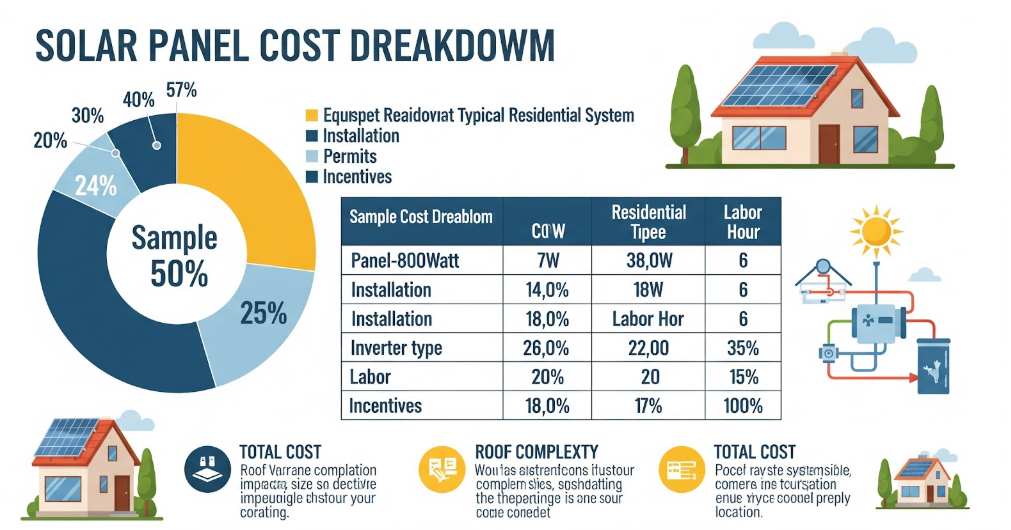
When it comes to solar panel installation, the equipment cost is a significant factor to consider. The type, quality, efficiency, wattage, and brand of solar panels can all impact the overall cost of the installation.
There are two main types of solar panels commonly used for installations: monocrystalline and polycrystalline. Monocrystalline panels are known for their higher efficiency and sleek look, while polycrystalline panels are more affordable but slightly less efficient.
The quality and efficiency of solar panels play a crucial role in determining the overall cost of installation. Higher quality panels with better efficiency ratings typically come at a higher price point but can result in long-term savings due to increased energy production.
Monocrystalline solar panels are generally more expensive upfront compared to polycrystalline panels. The cost difference stems from the manufacturing process and the higher efficiency of monocrystalline panels.
The cost of solar panels can also vary based on the wattage and brand. Higher wattage panels are more efficient and can produce more electricity, but they also come at a higher cost. Different brands offer various features and warranties that can affect the overall price of the solar panels.
When it comes to solar panel installation, labor costs play a significant role in the overall expenses. The expertise and efficiency of the installers can impact the quality of the installation and the time required to complete the project.
The complexity of the installation site can greatly affect labor expenses. Sites that require additional preparation, such as roof reinforcements or electrical upgrades, will incur higher labor costs. Installers may also need to spend more time navigating challenging terrain or working in adverse weather conditions, leading to increased labor expenses.
On average, solar panel installation professionals charge between $50 to $100 per hour for their services. This rate may vary depending on the installer’s experience, location, and the size of the project. It is essential to obtain multiple quotes and compare hourly rates to ensure you are getting a fair price for the labor involved.
Hiring certified installers is crucial not only for the quality of the installation but also for managing labor costs. Certified installers are trained to work efficiently and safely, reducing the time required to complete the project. While their hourly rates may be slightly higher, the expertise and professionalism they bring to the job can ultimately save you money in the long run.
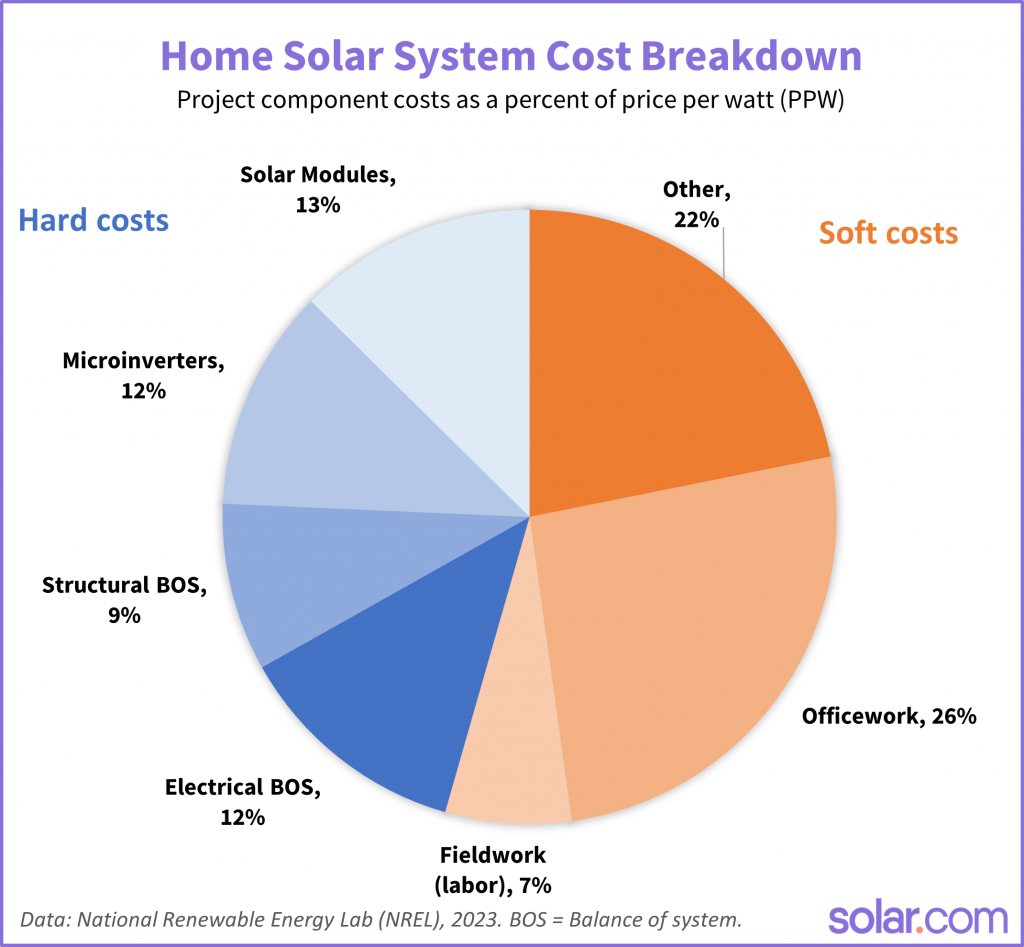
Incentives and rebates play a crucial role in making solar panel installation more affordable and accessible for homeowners. By taking advantage of government programs and local utility rebates, individuals can significantly reduce the upfront costs associated with going solar.The Federal Investment Tax Credit (ITC) is one of the most significant incentives available for solar panel installations in the United States.
This tax credit allows homeowners to deduct a percentage of the cost of their solar energy system from their federal taxes. As of 2021, the ITC covers 26% of the total system cost, making solar energy more financially feasible for many households.In addition to the Federal ITC, many states offer their own incentives to encourage solar adoption.
These state-specific programs can include rebates, tax credits, grants, or performance-based incentives. These incentives vary by state and can further reduce the cost of installing solar panels.Local utility companies also play a role in incentivizing solar energy adoption by offering rebates to customers who install solar panels.
These rebates can help offset the upfront costs of installation, making it more affordable for homeowners to transition to renewable energy.
State-specific incentives can vary widely and may include tax credits, rebates, or performance-based incentives. For example, California offers the California Solar Initiative, which provides cash incentives for installing solar panels based on system performance. New York offers the NY-Sun incentive program, which provides rebates for residential and commercial solar installations.
Many local utility companies offer rebates to customers who install solar panels. For instance, Pacific Gas and Electric (PG&E) in California offers rebates based on the size of the solar system installed. These rebates can help lower the overall cost of installation and shorten the payback period for homeowners.
When it comes to solar panel installations, the payback period refers to the time it takes for the energy savings generated by the system to equal the initial cost of installation.
To calculate the payback period, you can use the formula:
Payback Period = Total Cost of Installation / Annual Energy Savings
For example, if the total cost of installation is $15,000 and the system saves $1,500 in energy costs each year, the payback period would be 10 years.
How do I choose between monocrystalline and polycrystalline solar panels?
To decide between the two, consider factors like efficiency, cost, and space availability. Monocrystalline panels are more efficient but costlier, while polycrystalline panels are more budget-friendly.
What is the average hourly rate for solar panel installation professionals?
Hourly rates for solar panel installers can vary based on location and experience, but on average, they range from $50 to $100 per hour.
How can I maximize energy production to shorten the payback period?
You can enhance energy production by ensuring optimal panel placement, regular maintenance, and investing in energy storage solutions like batteries.