Commercial HVAC Replacement Cost: What Business Owners Should Budget
Exploring the realm of Commercial HVAC Replacement Cost: What Business Owners Should Budget sets the stage for a deep dive into the intricacies of financial planning and system maintenance. Get ready to uncover essential insights and practical tips in this engaging narrative.
When it comes to budgeting for a commercial HVAC replacement, there are several factors that can influence the overall cost. Understanding these factors can help business owners make informed decisions and plan accordingly.
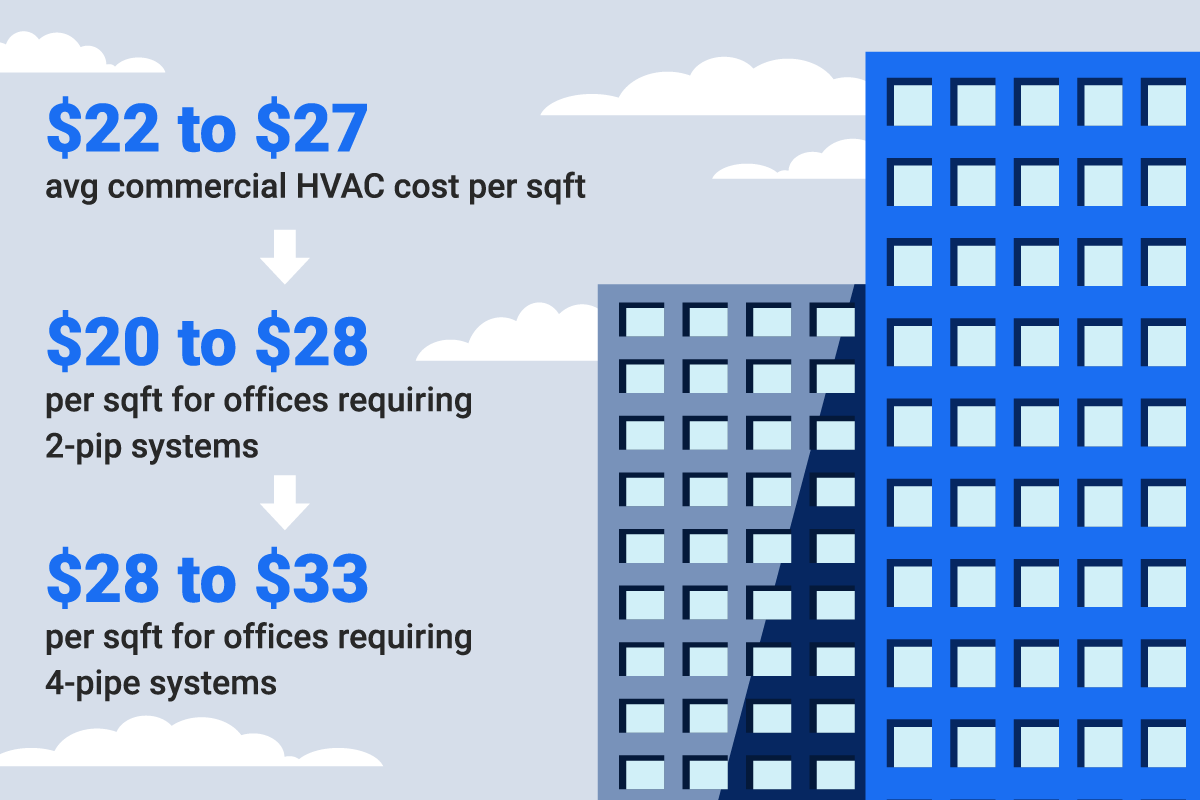
The size of the HVAC system plays a significant role in determining replacement expenses. Larger systems typically require more materials and labor to install, leading to higher costs. Additionally, the complexity of larger systems can also impact the overall price.
Energy efficiency is another crucial factor in determining the cost of a commercial HVAC replacement. More energy-efficient systems may have a higher upfront cost but can lead to long-term savings on energy bills. Business owners should consider the potential savings in energy costs when evaluating replacement options.
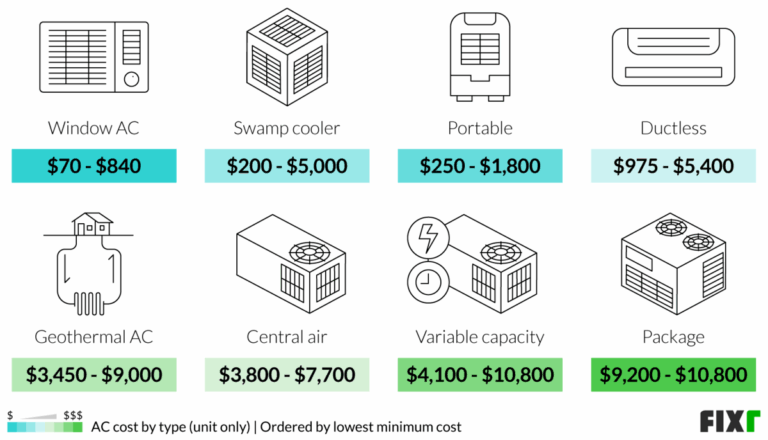
Other factors that can influence the overall cost of a commercial HVAC replacement include the type of system being installed, the location of the building, any necessary upgrades to ductwork or ventilation systems, and the level of customization required. Each of these factors can add to the total cost of the replacement project.Overall, business owners should carefully consider these factors when budgeting for a commercial HVAC replacement to ensure that they are prepared for the investment required to keep their building comfortable and efficient.
When it comes to budgeting for commercial HVAC replacement, there are several strategies business owners can follow to ensure a smooth process and avoid unexpected costs.
Before setting a budget, it is crucial to conduct a thorough evaluation of your current HVAC system. Consider factors such as the age of the system, maintenance history, and energy efficiency. This evaluation will help you determine the scope of the replacement project and set a realistic budget.
When working with HVAC contractors, it is essential to negotiate costs effectively to stay within your budget.
While it may be tempting to opt for the cheapest replacement option upfront, it is crucial to consider the long-term savings that a more efficient HVAC system can offer.
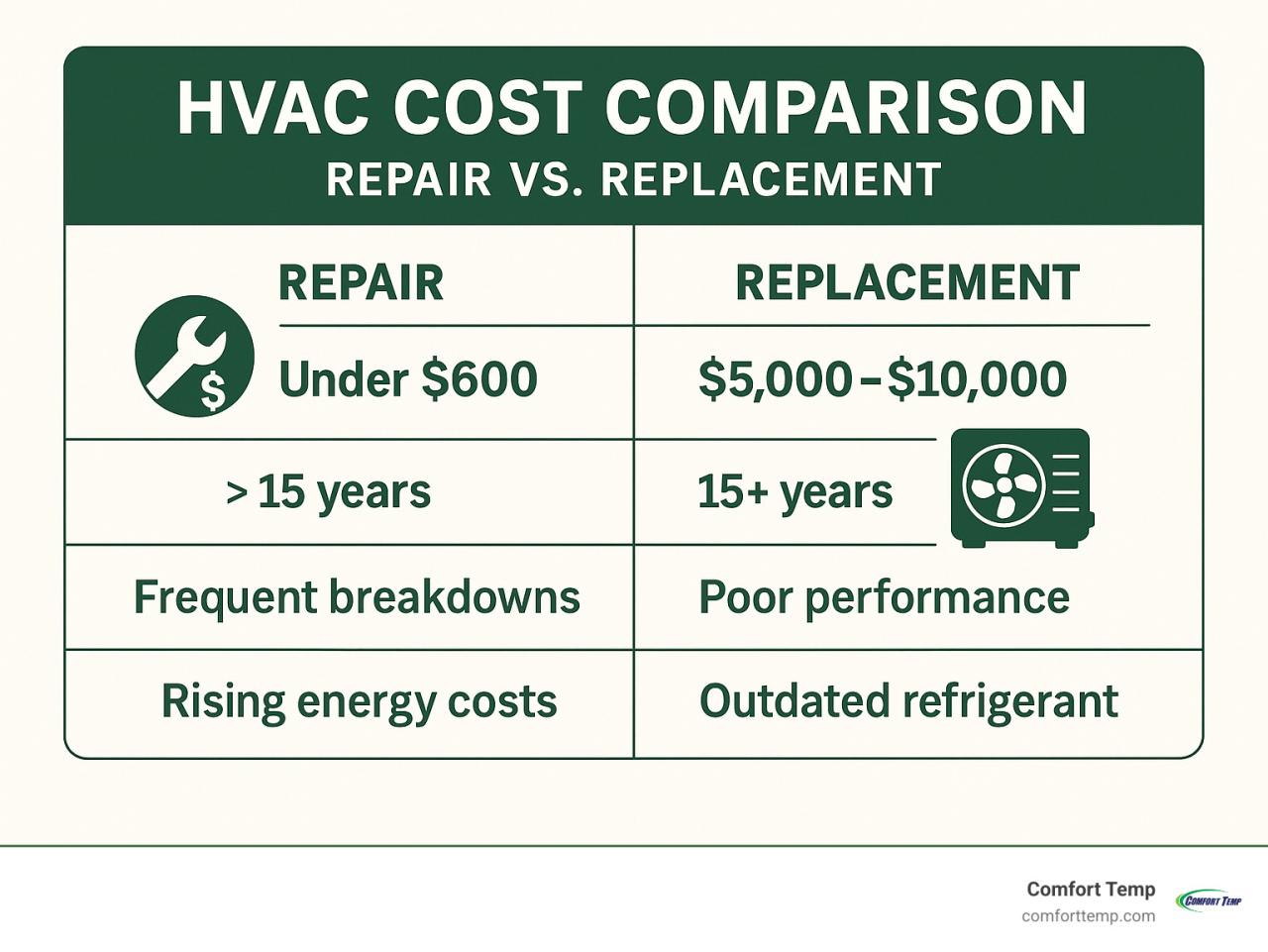
Repairing versus replacing an HVAC system can be a crucial decision for business owners, as it directly impacts their budget and long-term savings. Here, we’ll explore the cost differences between repair and replacement, scenarios where replacement is more cost-effective, potential long-term savings, and how to calculate the return on investment for a replacement.
When considering whether to repair or replace an HVAC system, it’s important to weigh the costs involved. Repairing a system may seem like a quick fix, but if the unit is older or requires frequent repairs, the costs can add up over time.
On the other hand, replacing the system upfront may require a larger initial investment, but it can lead to long-term savings and efficiency.
Replacing an aging HVAC system can result in long-term savings through improved energy efficiency, reduced repair costs, and increased comfort for your commercial space. By investing in a new system, you can enjoy better performance and reliability while lowering your overall operating expenses.
To calculate the return on investment for a replacement HVAC system, subtract the total cost of the new system from the estimated savings over its lifespan. Divide this amount by the initial cost of the replacement to determine the ROI percentage.
When it comes to commercial HVAC systems, efficiency plays a crucial role in determining overall costs. HVAC efficiency refers to how effectively the system can heat or cool a space while minimizing energy consumption. Understanding this concept is essential for business owners looking to reduce operational expenses and save on replacement costs.
Energy-efficient HVAC systems can significantly reduce operational expenses for businesses. By using advanced technologies and designs, these systems consume less energy to maintain comfortable indoor temperatures, resulting in lower utility bills and maintenance costs.
The efficiency of an HVAC system directly impacts both upfront costs and long-term savings. While energy-efficient systems may have a higher initial investment, they can deliver significant savings over time through reduced energy consumption and lower maintenance requirements.
Investing in energy-efficient HVAC technologies can lead to up to 20-40% savings on annual energy costs, making it a cost-effective choice for businesses in the long run.
What are some additional factors that can influence the overall cost of commercial HVAC replacement?
Factors like location, accessibility of the HVAC system, and the need for permits can impact the total replacement cost.
How can business owners ensure they are getting the best value when negotiating costs with HVAC contractors?
Seek multiple quotes, compare services offered, and consider long-term benefits to ensure the best value for your investment.
What is the significance of calculating the return on investment for a replacement HVAC system?
Calculating ROI helps business owners understand the financial benefits of investing in a new HVAC system over time, making informed decisions.
How do energy-efficient HVAC systems contribute to long-term savings for businesses?
Energy-efficient systems reduce operational costs by consuming less energy, leading to significant savings on utility bills in the long run.