
Debt Financing vs Equity Financing: Cost, Ownership and Business Growth Compared
Delving into Debt Financing vs Equity Financing: Cost, Ownership and Business Growth Compared, this introduction immerses readers in a unique and compelling narrative. In the realm of business finance, the decision between debt and equity financing plays a crucial role in shaping companies’ futures.
By exploring the nuances of these two financing options, we uncover the intricacies of cost, ownership, and business growth, providing a comprehensive guide for entrepreneurs and investors alike.
Debt financing and equity financing are two primary methods that businesses use to raise capital for various purposes. Debt financing involves borrowing money from lenders, such as banks or financial institutions, which needs to be repaid over time with interest.
On the other hand, equity financing involves selling a portion of ownership in the company to investors in exchange for capital. The main difference between debt financing and equity financing lies in the source of funds and the obligation to repay.
Debt financing requires repayment of the borrowed amount with interest, while equity financing does not require repayment but involves sharing ownership and potential profits with investors.
When considering debt financing, it is essential to evaluate the associated costs, which can significantly impact the financial health of a business. The costs of debt financing are influenced by various factors, including interest rates and repayment terms.
Debt financing typically involves borrowing money from a lender and agreeing to repay the principal amount along with interest over a specified period. The interest rate charged by the lender is a crucial component of the cost of debt financing.
Higher interest rates can increase the overall cost of borrowing, leading to higher financial obligations for the business.
Interest payments represent a significant portion of the cost of debt financing. These payments are a regular expense that the business must budget for and pay to the lender. The higher the interest rate and the longer the repayment term, the more substantial the total interest payments will be, increasing the cost of debt financing.
When comparing the cost of debt financing to equity financing, it is essential to consider the financial obligations associated with each option. Debt financing requires the business to make regular interest payments and repay the principal amount according to the agreed terms.
In contrast, equity financing involves giving up ownership stake in the business in exchange for funds, without the need for regular interest payments or repayment.
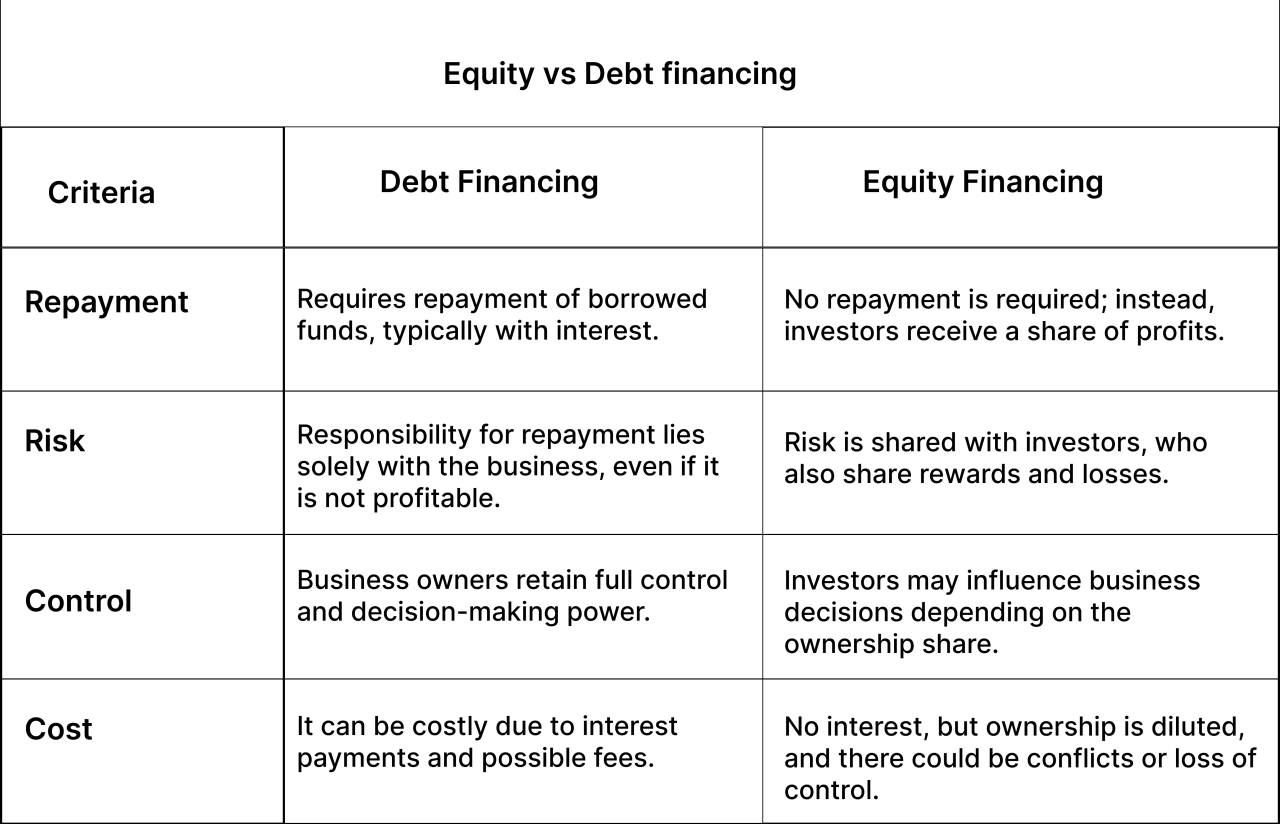
Equity financing involves raising capital by selling shares of ownership in a business. Unlike debt financing, where interest is paid on borrowed funds, the cost of equity financing is related to the ownership stake given to investors in exchange for their investment.When a business decides to obtain equity financing, it typically involves issuing new shares of stock to investors.
These investors become partial owners of the company and are entitled to a share of the profits in the form of dividends. The cost of equity financing is essentially the return that investors expect to receive on their investment through dividends or capital appreciation.
Equity financing can lead to dilution for existing shareholders, as issuing new shares reduces their ownership percentage in the company. This means that existing shareholders will have a smaller share of future profits and voting rights. It is important for businesses to carefully consider the impact of dilution on existing shareholders when opting for equity financing, as it can significantly alter the ownership structure and control of the company.
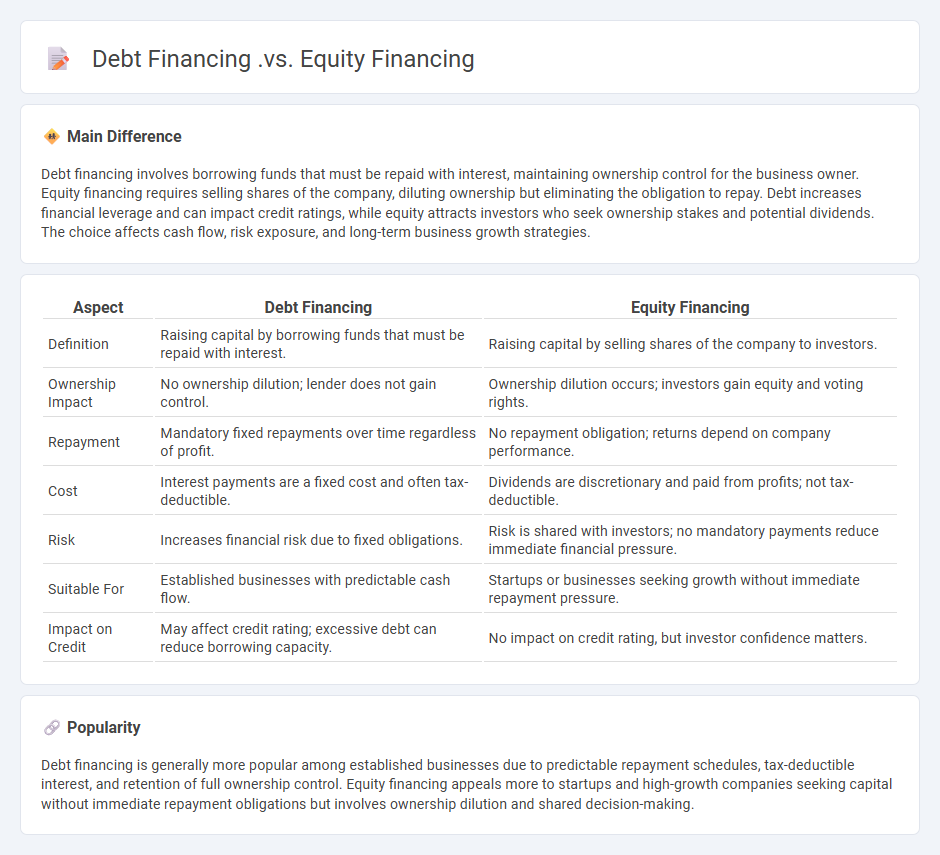
Debt financing and equity financing have distinct impacts on ownership structure within a business. Let’s delve into how these two financing options affect ownership control and distribution.
Debt financing involves borrowing funds that need to be repaid with interest. When a business opts for debt financing, the lenders do not have any ownership stake in the company. Therefore, the ownership control remains with the existing owners or shareholders.
However, taking on too much debt can lead to financial strain and potential loss of control if the business fails to meet its debt obligations.
Equity financing involves selling shares of ownership in the business to investors in exchange for capital. This means that new shareholders become co-owners of the business. The ownership distribution among shareholders is determined by the percentage of equity each investor holds.
Unlike debt financing, equity financing dilutes the ownership stake of existing shareholders as new investors come on board. However, it can also bring strategic partners and expertise to the business.
Debt financing and equity financing play crucial roles in determining the growth trajectory of a business. Let’s explore how each type of financing impacts business growth.
Debt financing can be a double-edged sword when it comes to business growth. On one hand, taking on debt allows a company to leverage its resources and invest in growth opportunities that may not have been possible otherwise. This can lead to accelerated expansion and increased profitability.
However, excessive debt can also increase financial risk and limit flexibility, especially during economic downturns or periods of low cash flow.
Equity financing, on the other hand, involves selling a stake in the business in exchange for capital. This injection of funds can provide the business with the resources needed to fuel growth initiatives, without taking on additional debt. Equity financing can also bring strategic partners on board who can provide valuable expertise and industry connections to support business growth.
What are the key differences between debt financing and equity financing?
Debt financing involves borrowing funds that need to be repaid with interest, while equity financing involves selling a stake in the company to investors in exchange for capital.
How do interest payments impact the overall cost of debt financing?
Interest payments contribute to the total cost of debt financing, increasing the amount businesses need to repay beyond the principal loan amount.
What is dilution in equity financing and how does it affect existing shareholders?
Dilution occurs when new shares are issued, reducing the ownership percentage of existing shareholders. This can lead to a decrease in control and earnings per share for existing owners.
Can a company use both debt and equity financing simultaneously?
Yes, companies often employ a mix of debt and equity financing to optimize their capital structure and financial performance. Each type of financing has its advantages and drawbacks, and the ideal mix depends on the company’s specific needs and goals.