
Title: Exploring High-Efficiency HVAC Systems: Installation Costs and Long-Term Energy Savings
Beginning with High-Efficiency HVAC Systems: Installation Costs and Long-Term Energy Savings, the narrative unfolds in a compelling and distinctive manner, drawing readers into a story that promises to be both engaging and uniquely memorable.
High-efficiency HVAC systems offer a modern solution for energy-efficient heating, ventilation, and air conditioning needs in residential and commercial spaces. Understanding the benefits and costs associated with these systems is crucial for making informed decisions about sustainable energy usage.
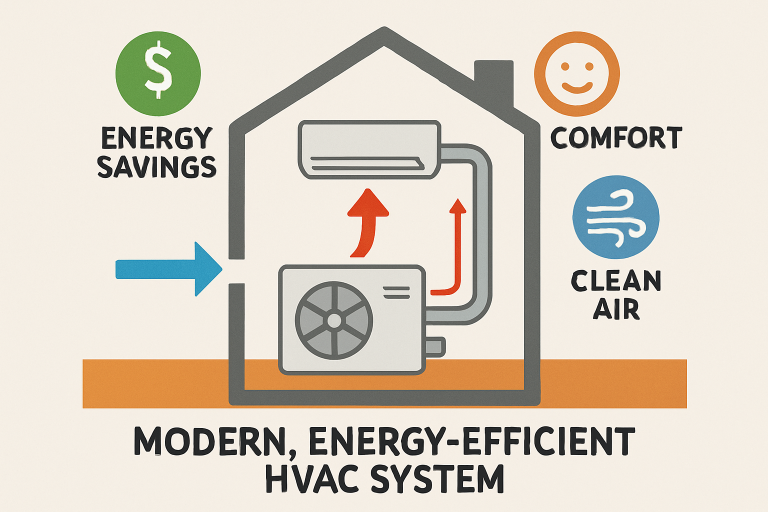
High-efficiency HVAC systems are advanced heating, ventilation, and air conditioning systems designed to operate more efficiently than traditional systems. These systems are engineered to provide optimal indoor comfort while consuming less energy, leading to cost savings and reduced environmental impact.
Installing high-efficiency HVAC systems is crucial for several reasons:
High-efficiency HVAC systems consist of several key components working together to optimize performance:
When considering the installation of high-efficiency HVAC systems, it is important to understand the typical costs involved and the factors that influence these costs.
When comparing the costs of standard HVAC systems versus high-efficiency HVAC systems, it is important to consider the long-term energy savings that high-efficiency systems can provide. While the initial installation costs for high-efficiency systems may be higher, the energy savings over time can offset this additional cost.
High-efficiency HVAC systems can reduce energy consumption by up to 20-30%, resulting in lower monthly utility bills.
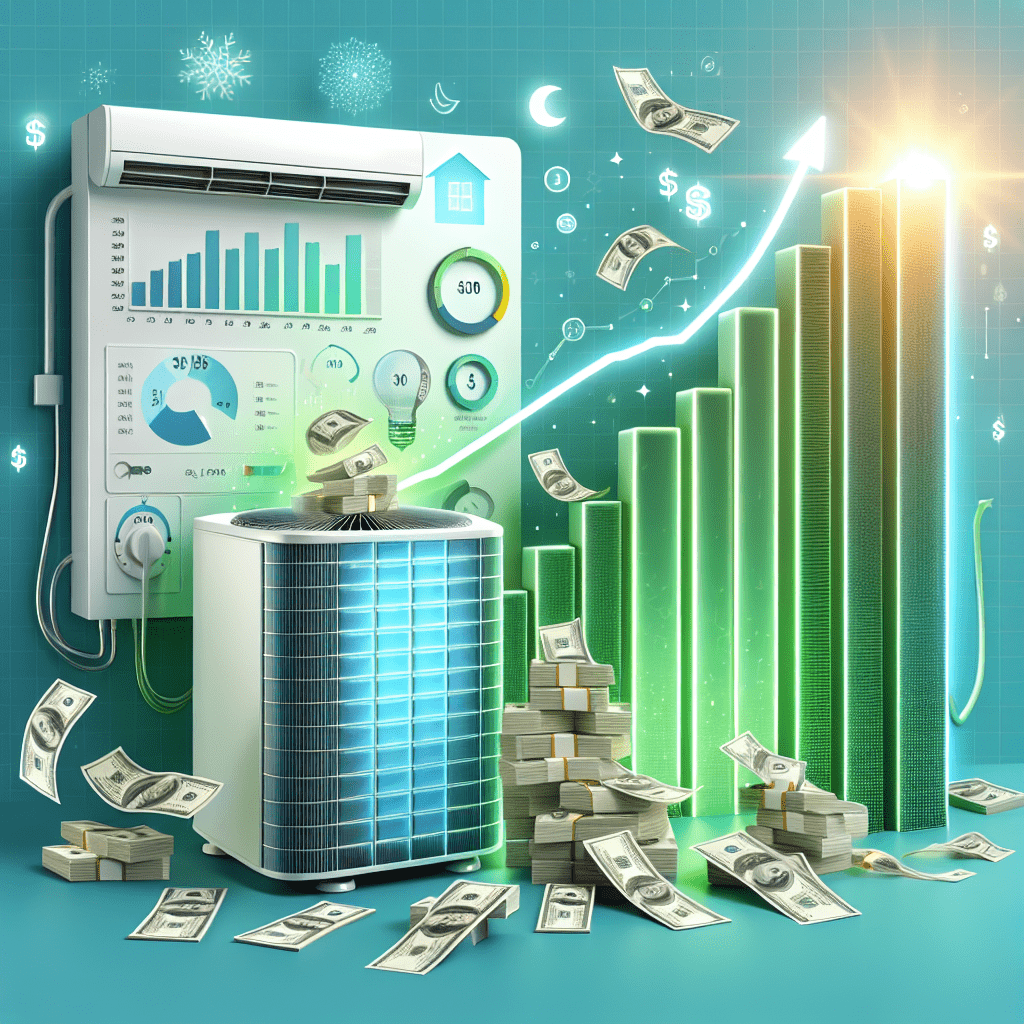
High-efficiency HVAC systems play a crucial role in achieving long-term energy savings for residential and commercial properties. By optimizing energy consumption and reducing wastage, these systems offer significant benefits over traditional HVAC systems.
When comparing high-efficiency HVAC systems to traditional systems, the difference in energy savings becomes evident. High-efficiency systems are designed to operate more effectively, using less energy to maintain the desired temperature levels. This results in lower utility bills and reduced overall energy consumption.
Choosing high-efficiency HVAC systems can lead to a substantial return on investment over time. While the initial installation costs may be higher than traditional systems, the long-term energy savings can offset these expenses. With lower energy bills and reduced maintenance costs, property owners can recoup their investment and continue to save money in the future.
What are the maintenance requirements for high-efficiency HVAC systems?
High-efficiency HVAC systems typically require regular maintenance such as filter replacements and professional inspections to ensure optimal performance and longevity.
Do high-efficiency HVAC systems qualify for any rebates or incentives?
Yes, in many regions, there are rebates and incentives available for installing high-efficiency HVAC systems to promote energy conservation and sustainability. It’s advisable to check with local authorities or energy companies for specific programs.
How do high-efficiency HVAC systems impact indoor air quality?
High-efficiency HVAC systems are designed to enhance indoor air quality by effectively filtering out pollutants and allergens, providing a healthier environment for occupants.